As part of the Library's celebration of its 230th anniversary, learn more about the University Librarians and Deans of the Library at Georgetown University from 1824 to the present.
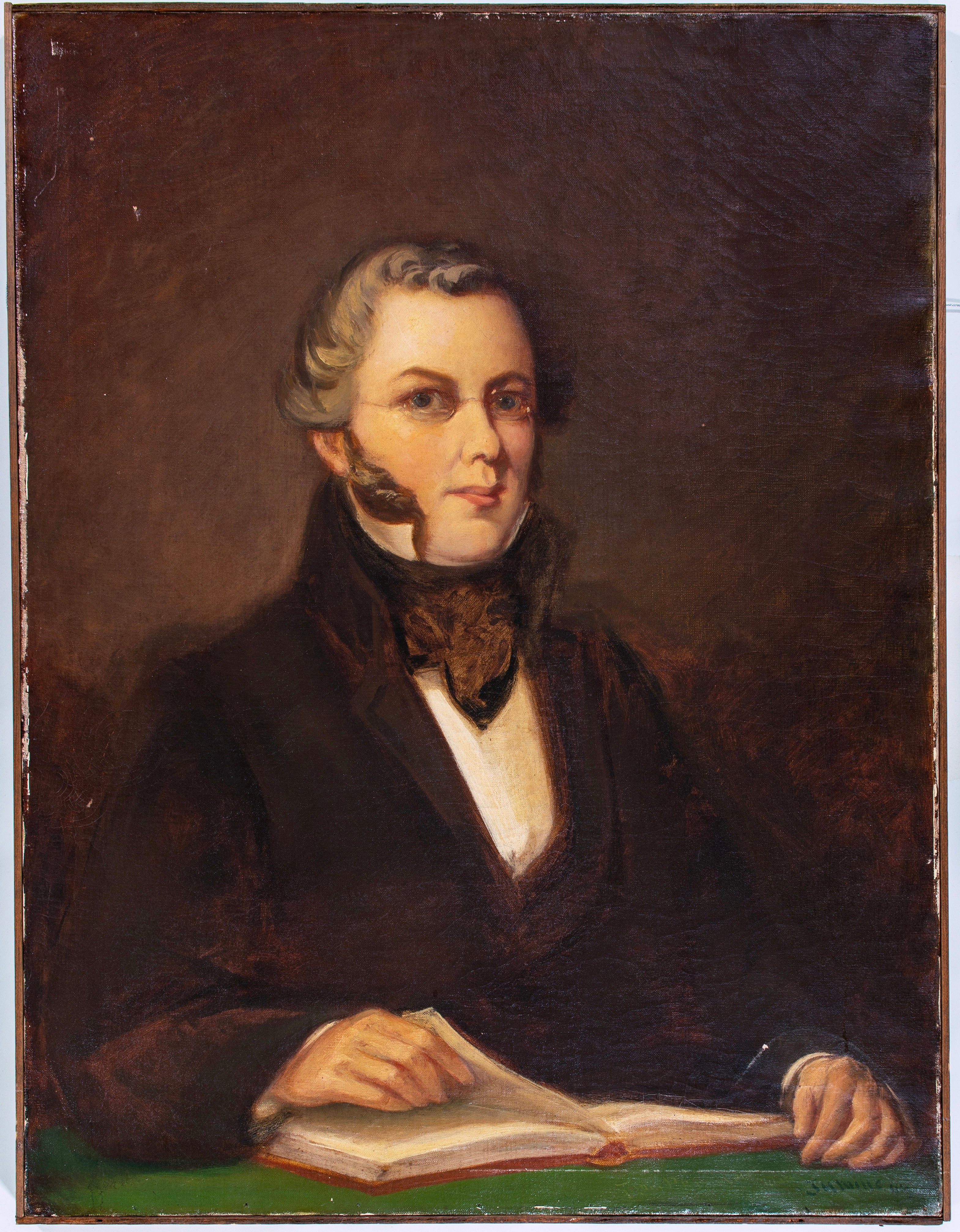
1. Thomas C. Levins, S.J.
Librarian
1824-1825
Oil painting from the University Art Collection.
Thomas Levins was born in Drogheda, Ireland, in 1791 and entered the Jesuit Order in 1811. By 1822, he was serving as Professor of Mathematics at Georgetown College. He was appointed as Georgetown’s first official Librarian in fall 1824, at which time the Library collection contained approximately 9,000 volumes.
However, Father Levins’ tenure in the role was brief; he was expelled from the Order for insubordination in 1825. He remained a priest and became affiliated with the Diocese of New York. His most significant contribution to the Georgetown Library occurred upon his death in 1843, when he bequeathed his 1,991 volume personal library to the school. This notable gift included a series of first editions of Erasmus and works on mathematics, theology, history, and science.
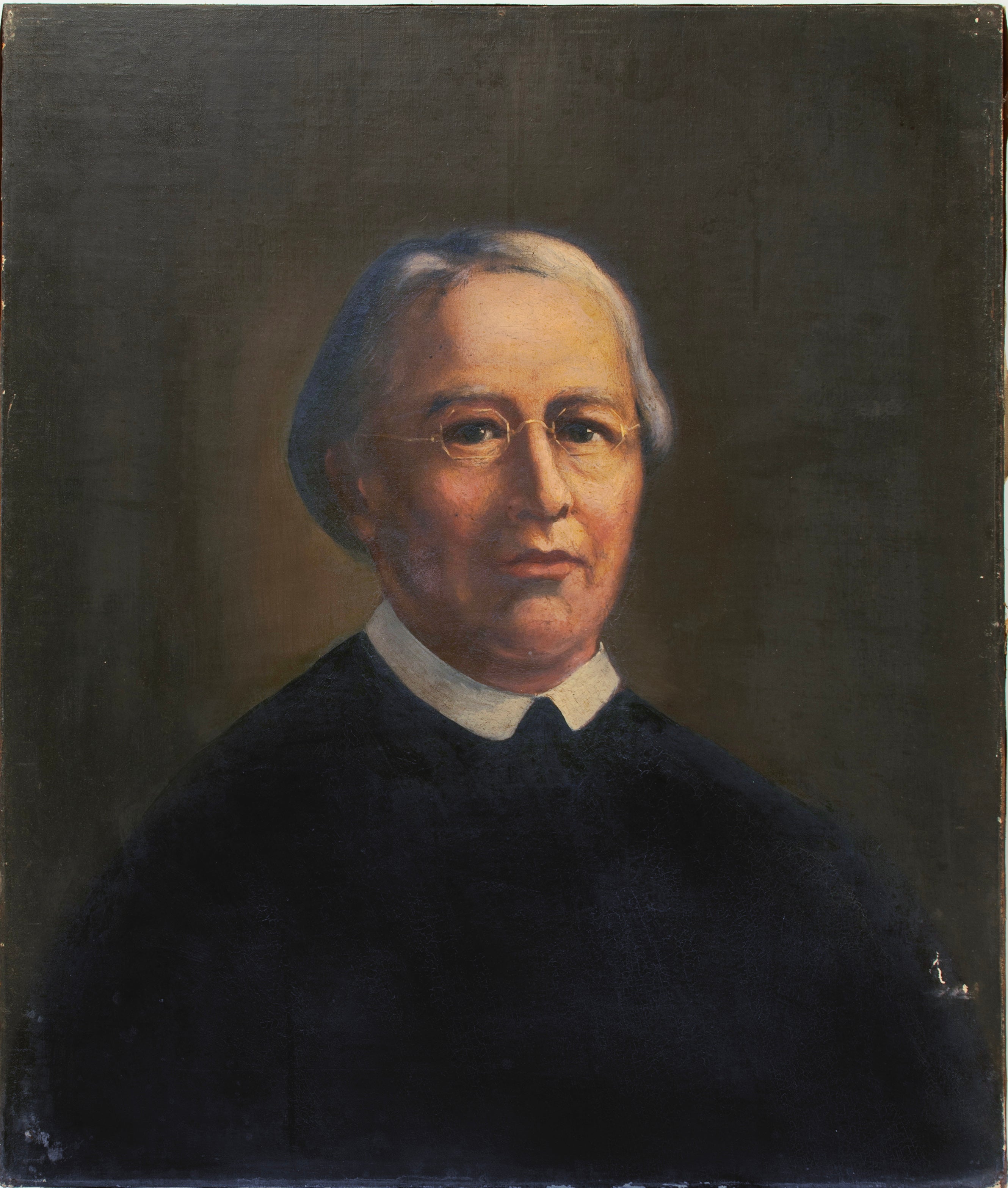
2. William Feiner, S.J.
Librarian
1825-1826
Oil painting from University Art Collection.
Born in Münster, Germany, on December 27, 1792, William Feiner entered the Jesuit Order in Belarus in 1808. Although the Order was suppressed by Papal brief between 1773 and 1814, Father Feiner and other members were able to operate within the Russian Empire under the protection of Catherine the Great.
Father Feiner was dispatched from Europe in 1822 to assist with the reorganization of the Jesuit Order within the United States. He joined the faculty of Georgetown College, where he taught philosophy and German. In 1825, he succeeded Father Thomas C. Levins as Librarian. During his tenure as Librarian, the Library was mentioned for the first time in the Georgetown College prospectus sent to the parents of prospective students: "The College possesses a choice and extensive library, a philosophical and chemical apparatus, and a cabinet of minerals."
In July 1826, Father Feiner was appointed Georgetown President and relinquished the role of Librarian. Afflicted by poor health due to tuberculosis, he resigned the presidency in March 1828 and died at Georgetown the following January. He is buried in the Jesuit Community cemetery on campus.
The Georgetown University Library houses the Stephen Dubuisson, S.J. - William Feiner, S.J., Collection in the Booth Family Center for Special Collections.
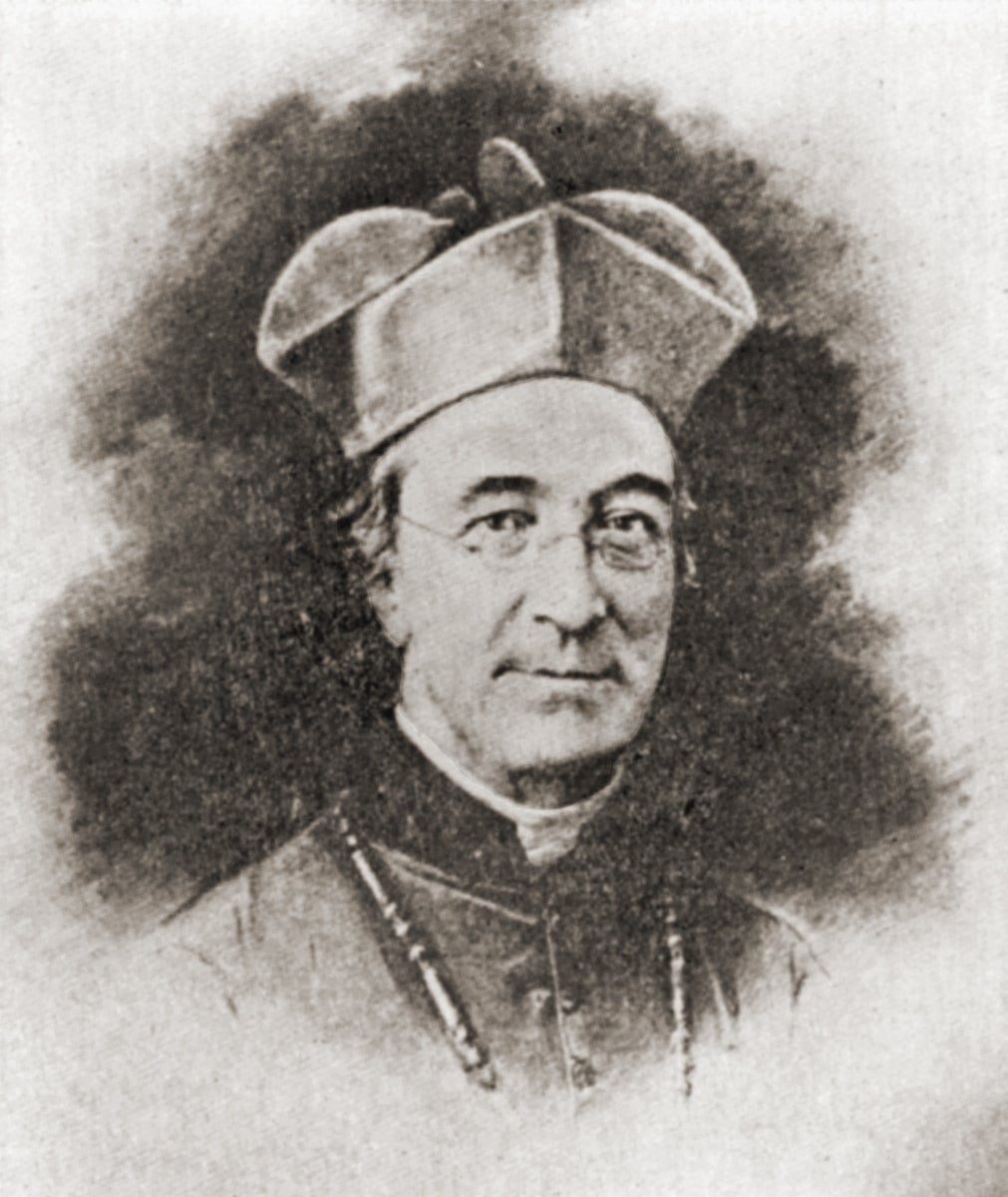
3. James Van de Velde, S.J.
Librarian
1826-1831
Illustration from The Catholic Church in Chicago, 1673-1871.
James Oliver van de Velde was born in Lebbeke, Belgium, on April 3,1795. He immigrated to the United States in 1817, entering the Jesuit Order’s novitiate at Georgetown College that same year. He remained at Georgetown College for fourteen years, serving on the teaching faculty and as Librarian from 1826 to 1831. During his tenure as Librarian, he compiled a catalog for the Library, which had grown to over 11,000 volumes, and oversaw the collection’s relocation from the South Building (no longer standing) to a larger space in the North Building (Old North).
In 1831, he was sent to Missouri to teach. After serving as President of the University of St. Louis from 1840 to 1843, he was appointed Jesuit Superior of the Missouri Vice-Province. He remained in that position until 1848 when he became Bishop of Chicago. In 1853, he was made Bishop of Natchez. He died in Mississippi from yellow fever on November 13, 1855.
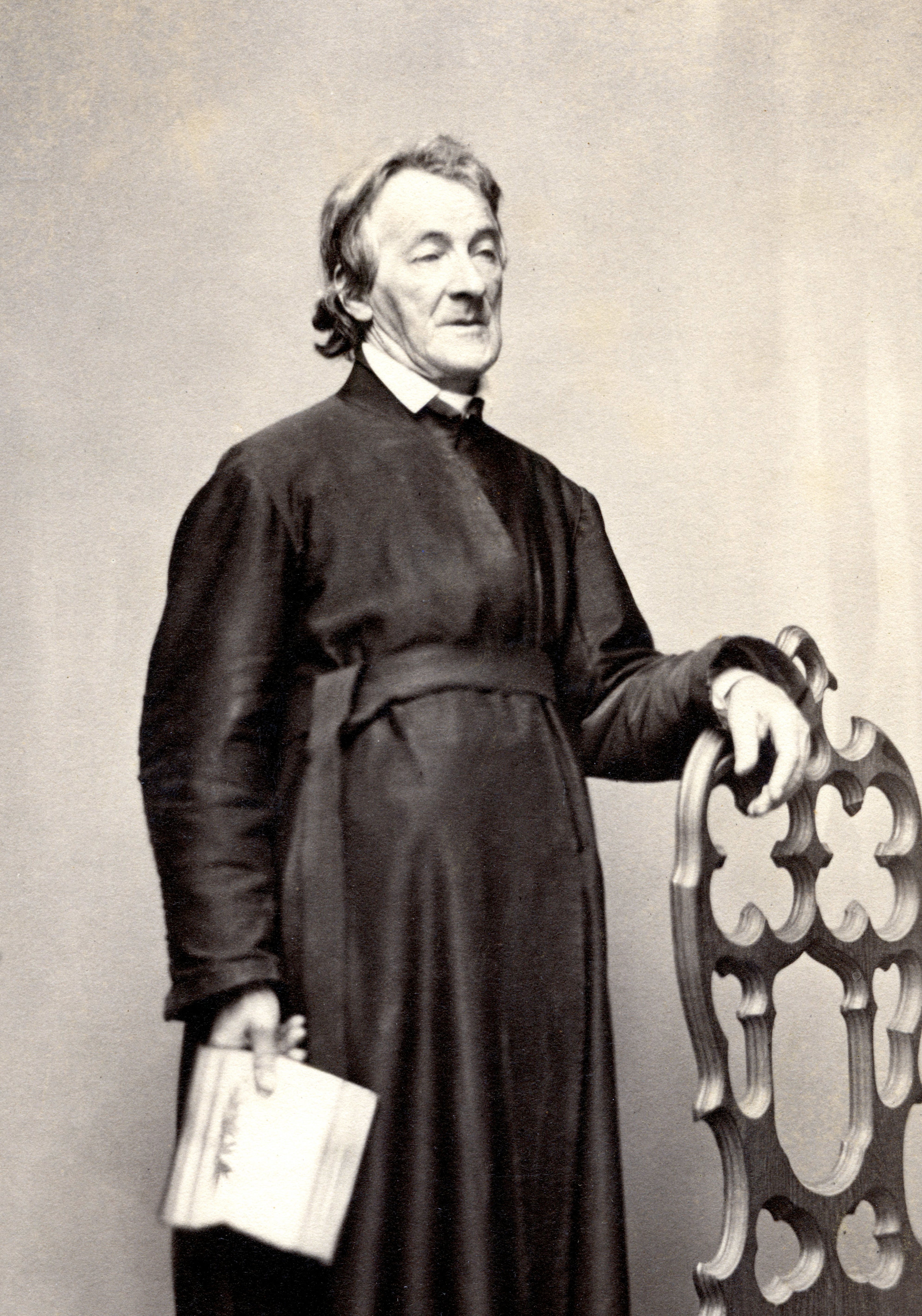
4. James Curley, S.J.
Librarian
1831-1836
Returned as Librarian 1853-1856 (#13), 1859-1864 (#15), and 1868-1869 (#18).
Photograph from the Georgetown University Archives Photograph Collection.
James Curley was born in County Roscommon, Ireland, on October 26, 1796, and emigrated to the United States in 1817. He began studying Latin at the Washington Seminary in Washington, D.C., in 1826, in preparation for the priesthood. When the school closed in 1827, he entered the Jesuit Order. Starting in 1831, he taught a variety of subjects at Georgetown College including astronomy, physics, chemistry, botany, and natural philosophy.
Instrumental in the construction of the Georgetown College Observatory in the early 1840s, Father Curley also served as Librarian four times between 1831 and 1869. As Librarian, he augmented the catalog that Father James Van de Velde had created in 1831. By the time he left the position for the final time in 1869, the Library collection numbered over 30,000 volumes.
Fr. Curley taught at Georgetown until 1879 and died there on July 24, 1889. He is buried in the Jesuit Community cemetery on campus.
The Georgetown University Library houses the James Curley, S.J., Papers in the Booth Family Center for Special Collections.
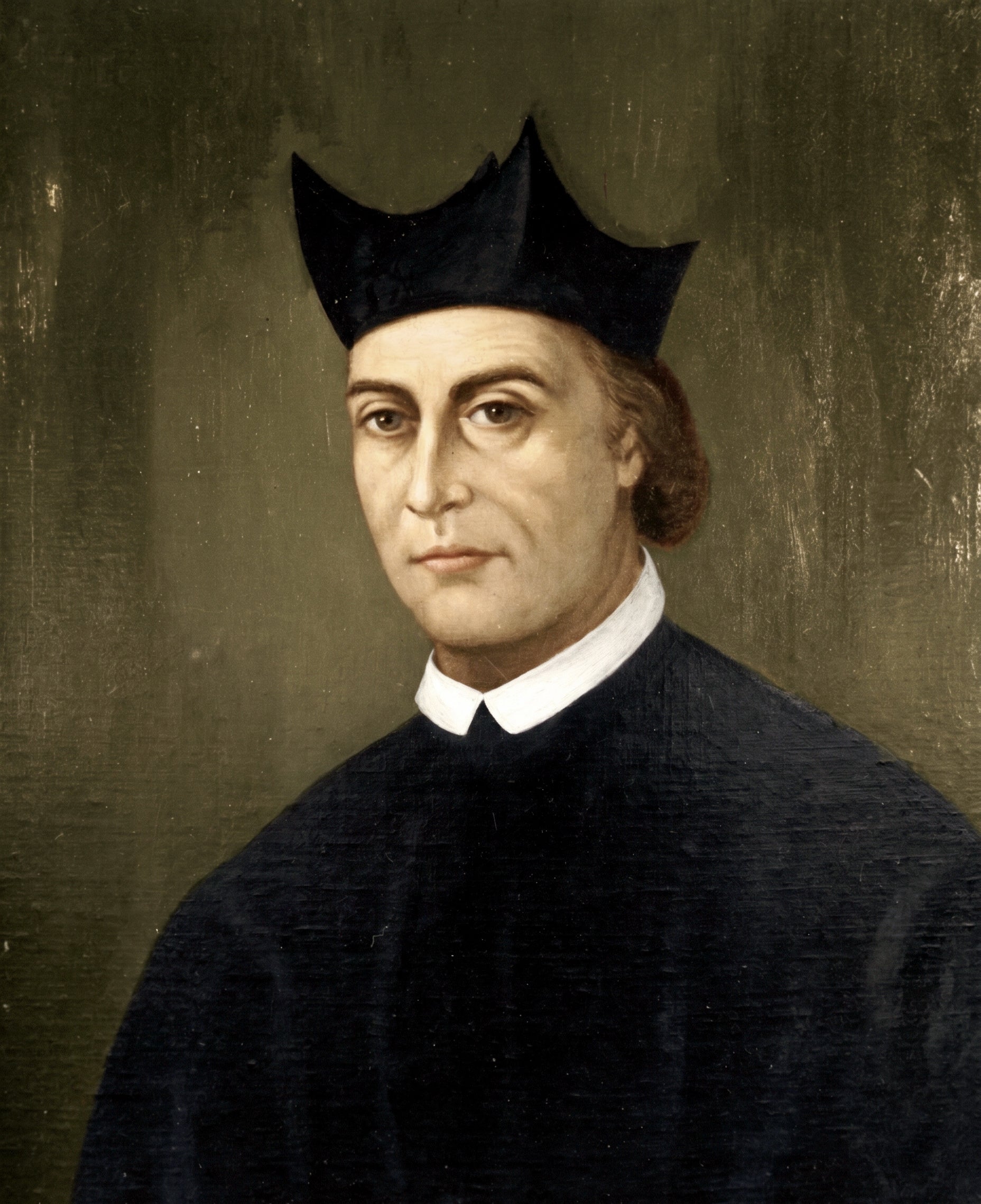
5. Jose A. Lopez, S.J.
Librarian
1837
Photograph of oil painting from the Georgetown University Art Collection, colored with palette.fm
Jose Antonio Lopez was born in Michoacán, Mexico, on October 4, 1779. Following studies in canon law, he was retained as chaplain and tutor to the family of Agustín de Iturbide. Iturbide became the first Emperor of Mexico in 1822 but was exiled in 1823 and executed in 1824 after returning to Mexico. Father Lopez then escorted Iturbide’s widow and their children to the United States.
Eventually settling in Georgetown, he became chaplain to the Georgetown Visitation Monastery and entered the Jesuit Order in 1833. He taught at Georgetown College, was appointed Librarian in 1837, and for a brief period in 1840 served as Acting President. He was sent to St. Inigoes, a Jesuit plantation in Maryland, after falling ill and died there on October 5, 1841. He is buried at Old Chapel Field in St. Inigoes.
The Georgetown University Library houses the Jose A. Lopez, S.J., Papers in the Booth Family Center for Special Collections.
6. Virgil H. Barber, S.J.
Librarian
1838-1840
Virgil Barber, the son of an Episcopalian minister, was born in Claremont, New Hampshire on May 9, 1782. He attended Dartmouth College and was subsequently ordained, serving at St. John’s Episcopal Church in Waterbury, Connecticut, as curate and later as pastor. Following his conversion to Catholicism, he relocated his family to Washington, D.C., in 1817. His wife and four daughters resided with the nuns at Georgetown Visitation Monastery, while Virgil and his son lived with the Jesuits at Georgetown College.
Father Barber entered the Jesuit Order in 1820. He was engaged in parish work and education in New Hampshire, Maine, Maryland, Pennsylvania, and Washington, D.C., until his death at Georgetown College on March 25, 1847. He served as Librarian at Georgetown between 1838 and 1840 and was on the faculty there from 1844 to 1846.
He donated his personal library to the College as recounted by Wilfrid Parsons, S.J., in his 1939 Catholic Library World article, "Notes on the History of the Georgetown Library": Another early personal collection is in the Library - the books of the famous Virgil Barber . . . nearly all of his books have the name 'V.H. Barber' branded by a hot iron on the fore pages.
Father Barber died on March 25, 1847, and is buried in the Jesuit Community cemetery on Georgetown University’s campus.
The Georgetown University Library houses the Virgil H. Barber, S.J., Papers in the Booth Family Center for Special Collections.
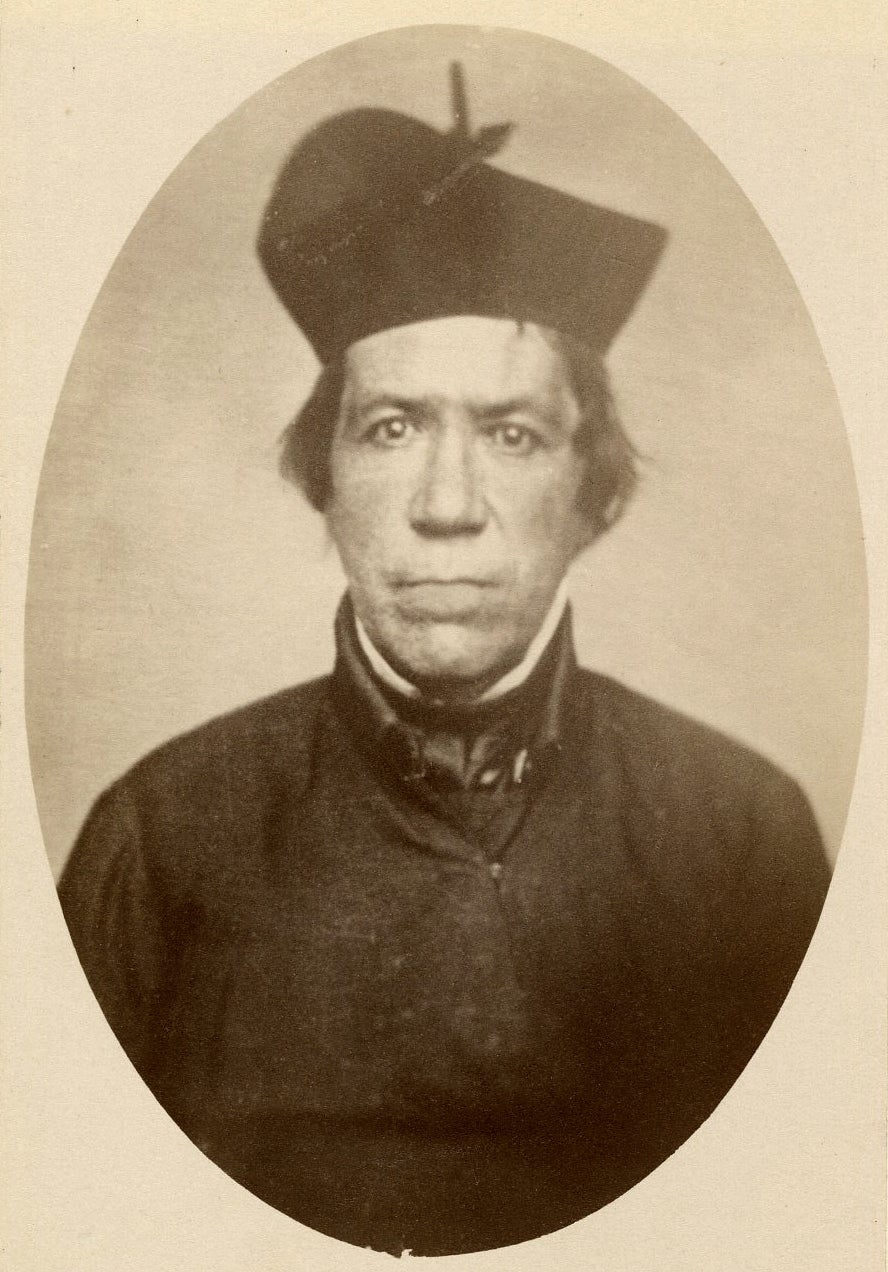
7. George Fenwick, S.J.
Librarian
1841-1843
Returned as Librarian 1857-1858 (#14).
Photograph from the Georgetown University Archives Photograph Collection.
George Fenwick was born in Georgetown on March 22, 1801, and was a student at Georgetown College before entering the Jesuit Order in 1815. He was one of a small group of young American Jesuits selected to travel to Rome in 1820 and spent the next nine years in Europe. Upon his return to the United States in 1829, he was appointed Professor of Rhetoric and Prefect of Schools at Georgetown College where he was to spend the majority of his career. While at Georgetown he served as Librarian on two occasions, between 1841 and 1843 and again in 1857.
Additionally, he held positions of authority within the Maryland Province of the Jesuit Order, including as Socius (secretary and chief of staff to the head of the Province) between 1843 and 1845. Father Fenwick died at Georgetown on November 27, 1857. He is buried in the Jesuit Community cemetery on campus.
The Georgetown University Library houses the George Fenwick, S.J., Papers in the Booth Family Center for Special Collections.
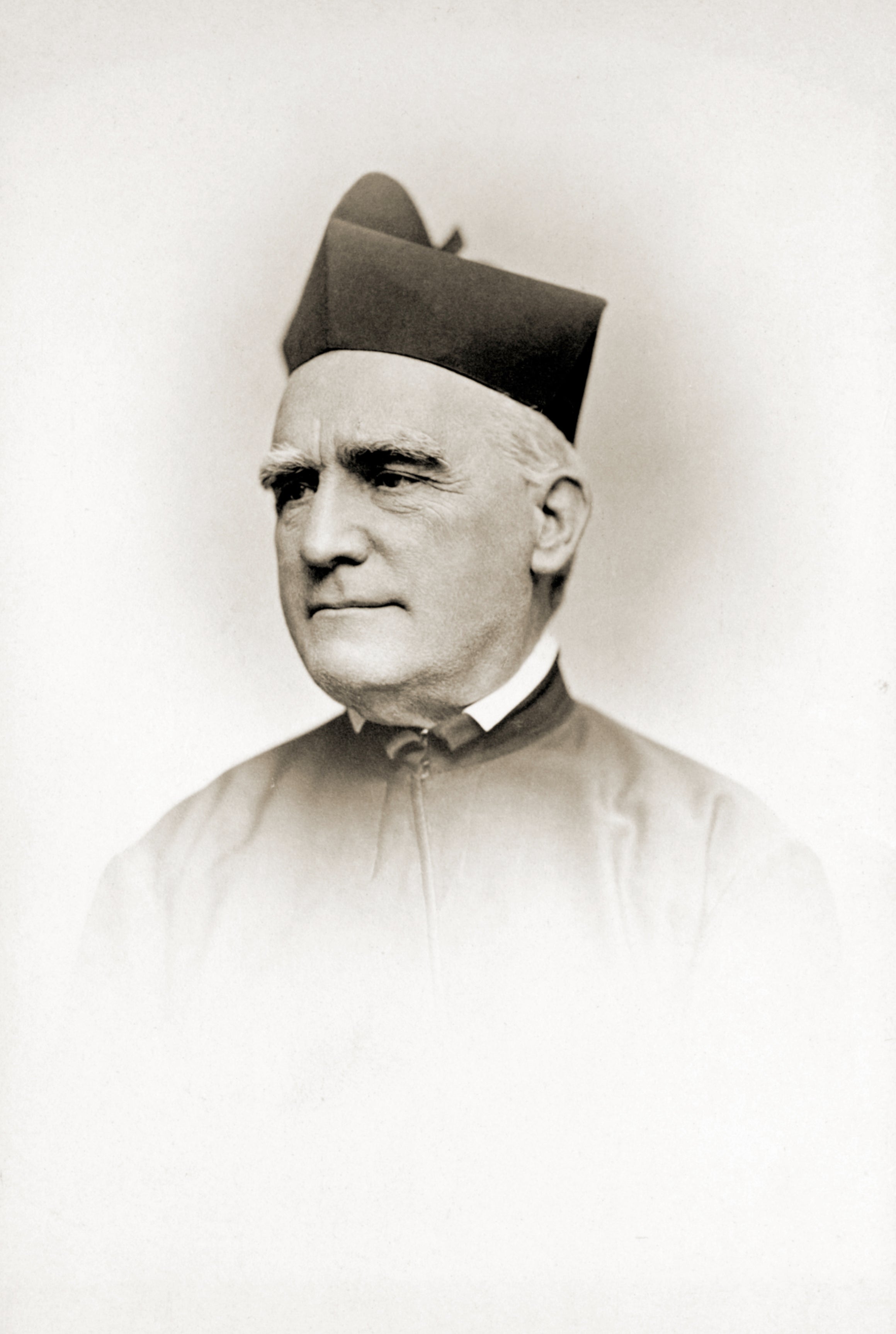
8. James A. Ward, S.J.
Librarian
1844-1847
Returned as Librarian 1849-1851 (#10).
Photograph from the Georgetown University Archives Photograph Collection.
James Ward was born in Philadelphia, Pennsylvania, on September 1, 1813. He enrolled in the Washington Seminary in Washington, D.C., in 1823. After the school closed in 1827, he worked as a clerk before matriculating at Georgetown College in 1829.
Entering the Jesuit Order in 1832, he taught classics, chemistry, and mathematics at a number of Jesuit schools, including Georgetown, the College of the Holy Cross in Worcester, Massachusetts, and Loyola College in Baltimore, Maryland. At Georgetown, he also twice served as Librarian, between 1844 and 1847 and again between 1849 and 1851. Additionally, he held positions of authority within the Maryland Province of the Jesuit Order, including as Socius (secretary and chief of staff to the head of the Province) at various times between 1860 and 1890.
Fr. Ward died at Georgetown on April 29, 1895. He is buried in the Jesuit Community cemetery on campus.
The Georgetown University Library houses the James A. Ward, S.J., Papers in the Booth Family Center for Special Collections.
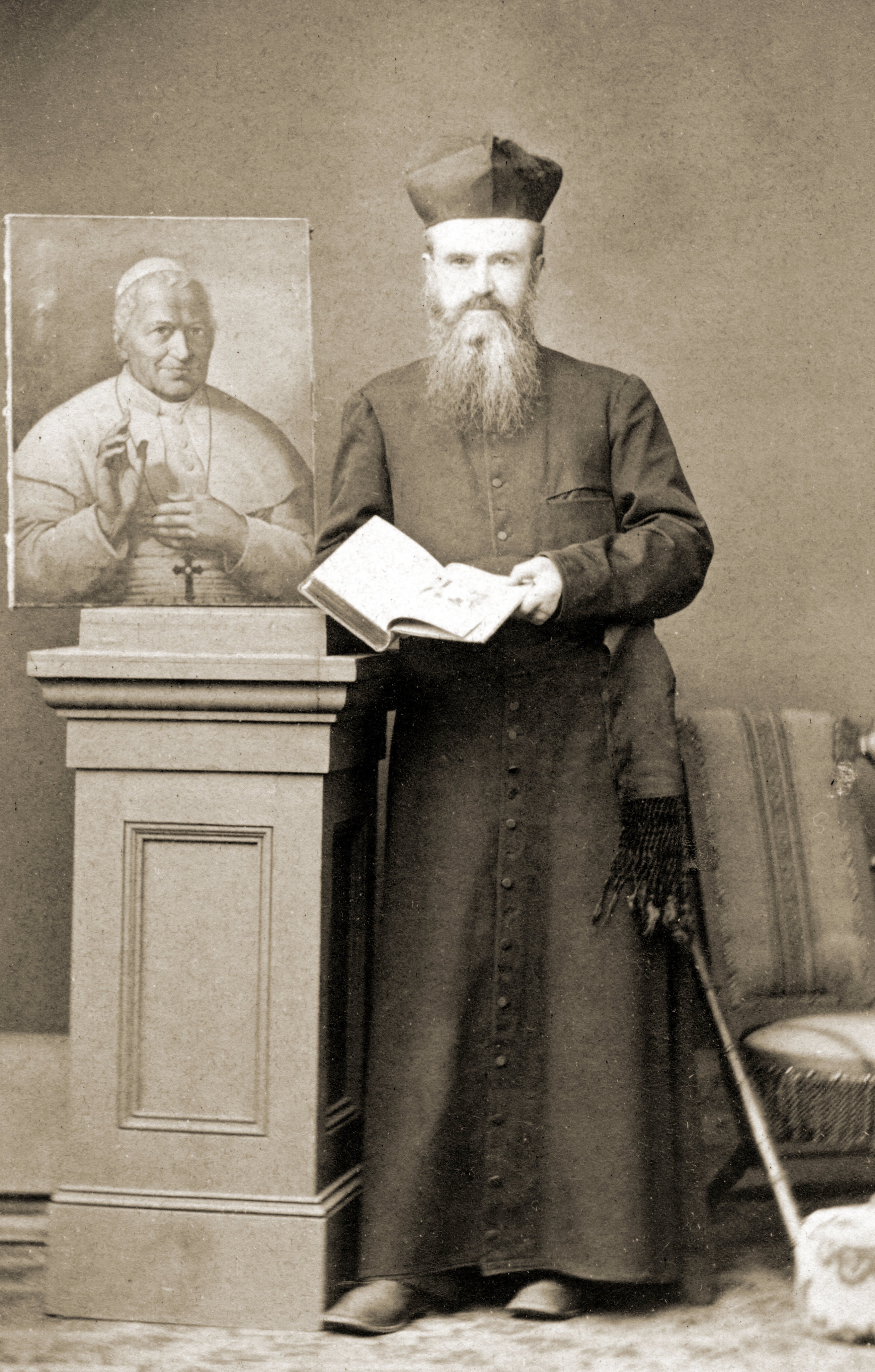
9. Joseph M. Finotti, S.J.
Librarian
1847-1849
Photograph from the Georgetown University Archives Photograph Collection.
Joseph Finotti was born in Ferrara, Italy, on September 21, 1817. He entered the Jesuit Order in Rome in 1833 and relocated to the United States in 1845. A well-known bibliographer and cataloger, he is also recognized as the first Catholic anthropologist in the U.S.
Serving as Georgetown College Librarian from 1847 to 1949, he catalogued the Library’s holdings by broad subject divisions in his Manual to the Library of Georgetown College, March 30, 1847. This five-page booklet records that there were 13,437 volumes in the Library.
After leaving the Jesuit order in 1852, Father Finotti became editor of the Boston Pilot. His final years were spent engaging in parish work in the West. His most significant literary work, Bibliographia Catholica Americana, Part I, was published in 1872. This constituted a comprehensive list of writings by Catholics published in the United States up to 1820. He died in Central City, Colorado, on January 10, 1879, before completing Part II. Georgetown College acquired numerous volumes from his personal library when it was sold at auction after his death.
10. James A. Ward, S.J.
Librarian
1849-1851
His second of three terms as Librarian. See entry #8 for bio.
Photograph from the Georgetown University Archives Photograph Collection.
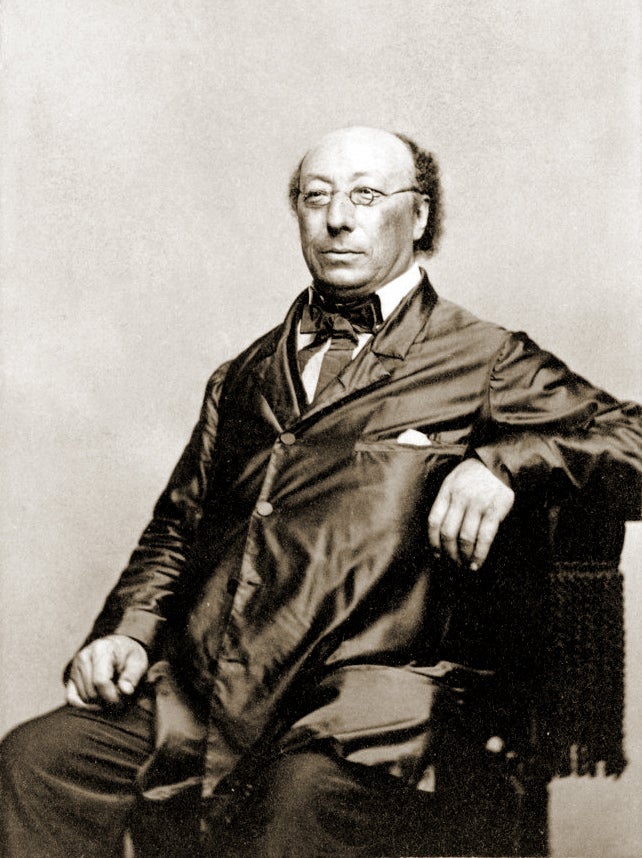
11. Leonard Nota, S.J.
Librarian
1851
Photograph from the Woodstock College Archives Photograph Collection.
Leonard Nota was born on November 23, 1807, in Naples, Italy, and entered the Jesuit Order in 1824. He arrived at Georgetown College to teach in 1851 and was appointed Librarian. At this time, the collection contained approximately 25,000 volumes and the annual acquisitions budget was $350. Over the next seventeen years, he taught various subjects including dogma, logic, metaphysics, ethics and moral theology. This teaching work was punctuated by brief periods of parish work in Maryland. He joined the faculty of the College of the Holy Cross in Worcester, Massachusetts, in 1869 and died there on April 5, 1870.
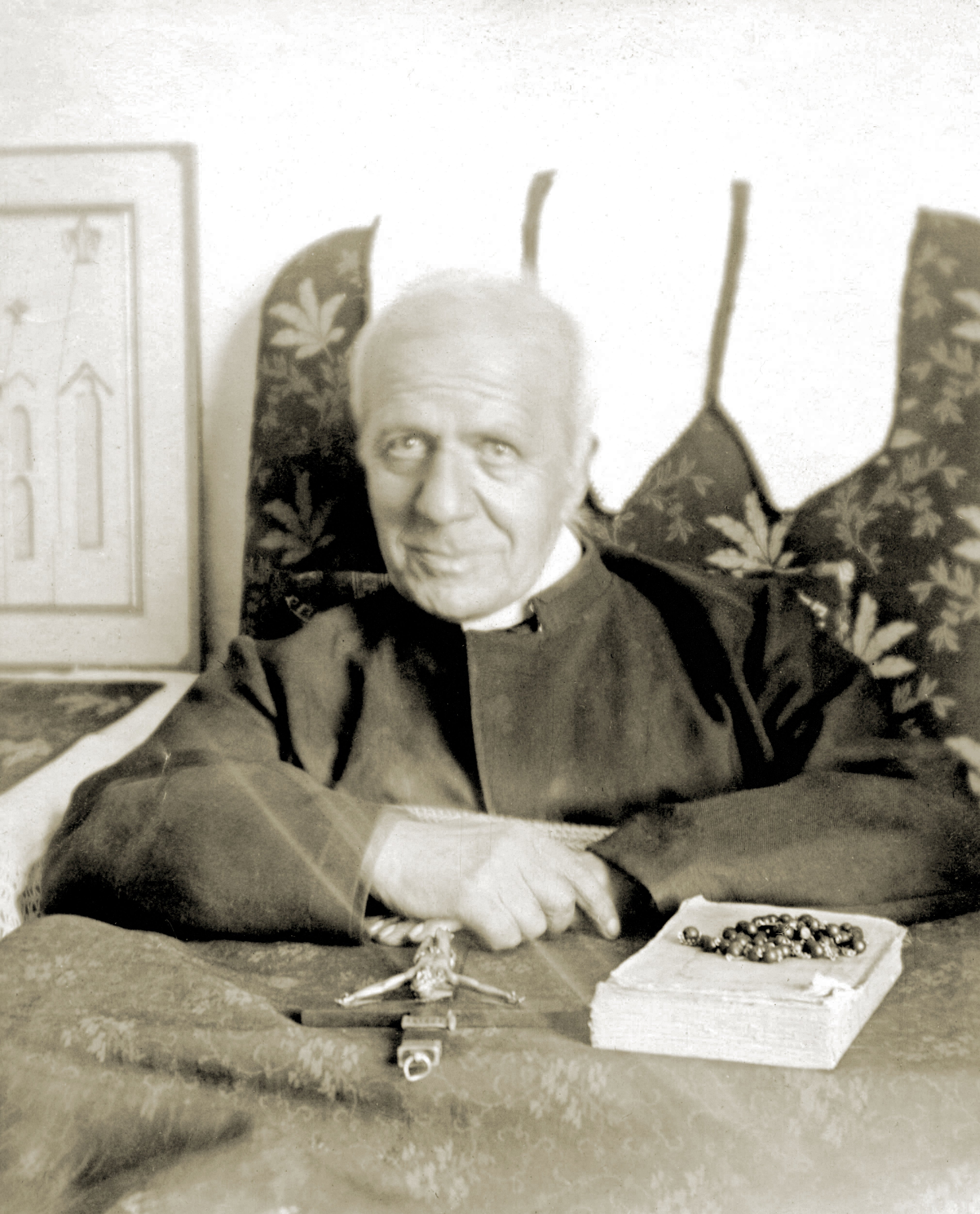
12. Benedict Sestini, S.J.
Librarian
1851-1852
Photograph from the Georgetown University Archives Photograph Collection.
Father Sestini was born in Florence, Italy, on March 20, 1816, and entered the Jesuit Order in Rome in 1836. After studying philosophy at the Roman College, he was appointed as assistant to the Director of the Vatican Observatory in 1840 and dedicated himself to the field of astronomy. He arrived in the United States in 1848 with other Italian Jesuits, having fled political unrest in Italy.
During his tenure as Georgetown College Librarian, the need for additional space to accommodate the collection appears to have been formally acknowledged for the first time. Georgetown College President Father Charles Stonestreet, S.J. communicated this concern in a letter to his Jesuit superiors in Rome dated August 28, 1852: Here there is no longer room for books, so that everywhere we begin to turn into a library . . .
Father Sestini resided at Georgetown College or at Woodstock College, Maryland, teaching and writing until his retirement in 1884. He published a series of mathematics textbooks and wrote on astronomical topics. In fall 1850, he made a series of sunspot-drawings at the Georgetown Observatory which were subsequently engraved and published. His final astronomical work documented observations of the total eclipse of July 29, 1878, in Denver, Colorado. Due to declining health, he was transferred to the Jesuit Order’s novitiate at Frederick, Maryland, where he died on January 17, 1890.
13. James Curley, S.J.
Librarian
1853-1856
His second of four terms as Librarian. See entry #4 for bio.
Photograph from the Georgetown University Archives Photograph Collection.
14. George Fenwick, S.J.
Librarian
1857-1858
His second term as Librarian, see entry #7 for bio.
Photograph from the Georgetown University Archives Photograph Collection.
15. James Curley, S.J.
Librarian
1859-1864
His third of four terms as Librarian. See entry #4 for bio.
Photograph from the Georgetown University Archives Photograph Collection.
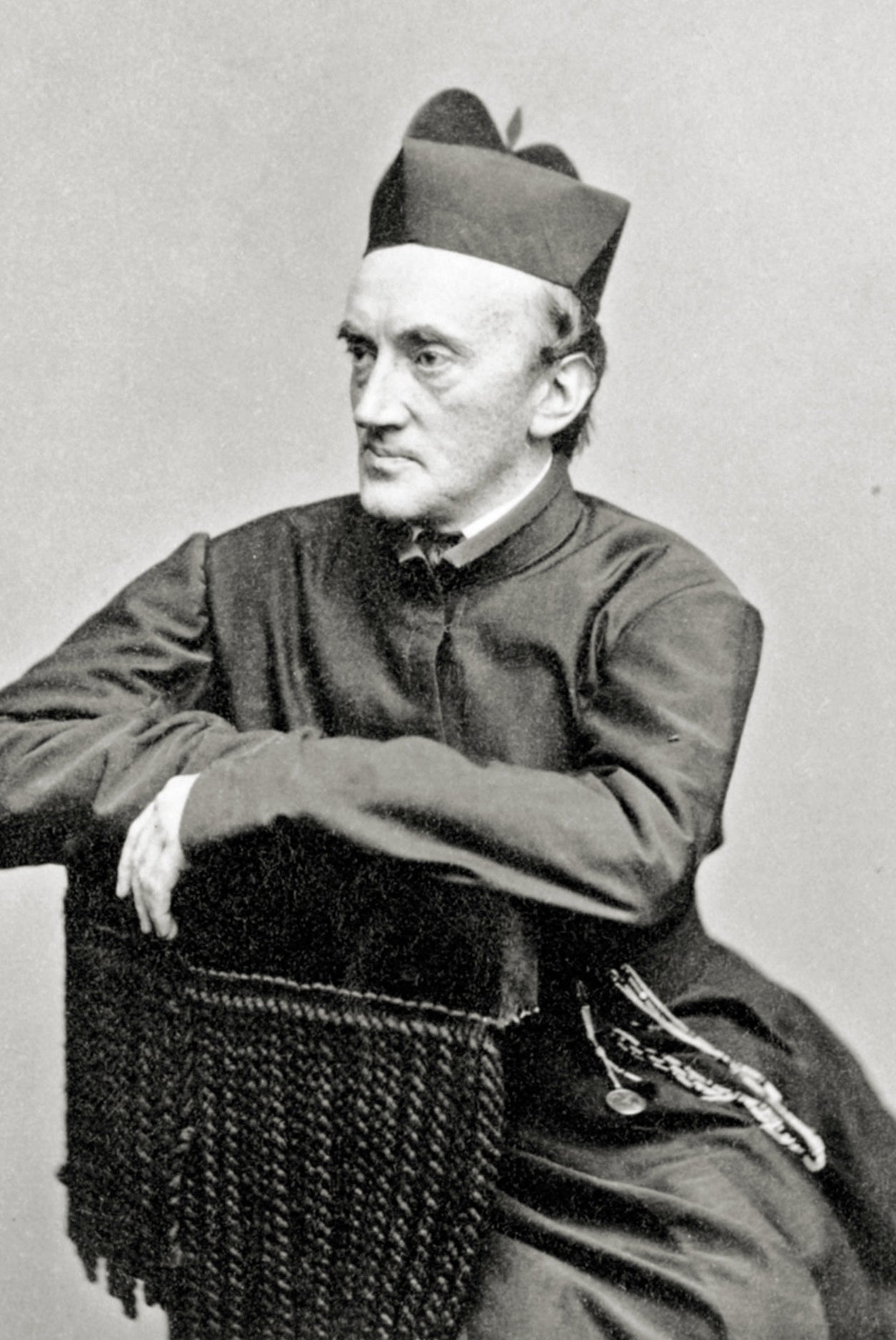
16. John S. Sumner, S.J.
Librarian
1864-1865
Returned as Librarian 1869-1880 (#19)
Photograph from the Georgetown University Archives Photograph Collection.
Born in Baltimore, Maryland, on July 31, 1819, John Sumner graduated from St. Mary’s College and initially pursued mercantile endeavors. Following his conversion to Catholicism, he entered the Jesuit Order in 1856. He subsequently held teaching positions at St. Joseph’s College in Philadelphia, the College of the Holy Cross in Worcester, Massachusetts, and Georgetown College. At Georgetown, he founded the Georgetown College Journal and served as Professor, Chaplain, and, for a time, Librarian. The Library at this time contained approximately 30,000 volumes. In 1874, he took a series of photographs of Georgetown’s campus. He was transferred to Gonzaga College High School, in Washington, D.C., in 1880. Dying a few months later, on December 1, 1880, he is buried in the Jesuit Community cemetery on Georgetown University’s campus.
17. James A. Ward, S.J.
Librarian
1865-1868
His third of three terms as Librarian. See entry #8 for bio.
Photograph from the Georgetown University Archives Photograph Collection.
18. James Curley, S.J.
Librarian
1868-1869
His fourth of four terms as Librarian. See entry #4 for bio.
Photograph from the Georgetown University Archives Photograph Collection.
19. John S. Sumner, S.J.
Librarian
1869-1880
His second of two terms as Librarian. See entry #16 for bio.
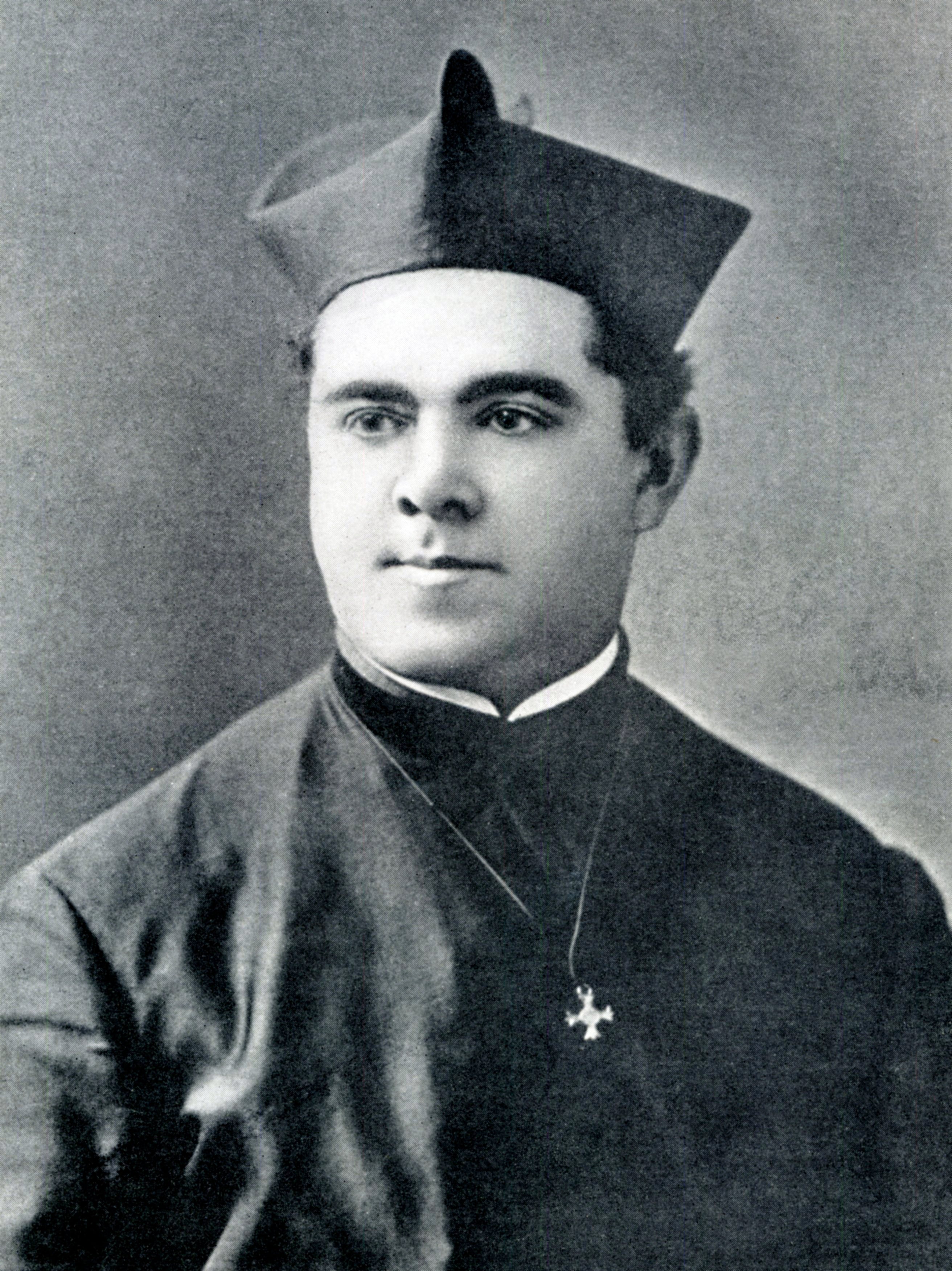
20. John F. X. O'Conor, S.J.
Librarian
1880-1882
Photograph from the Georgetown University Archives Photograph Collection.
John F. X. O'Conor was born in New York City on August 1, 1852. He entered the Jesuit Order’s novitiate in Quebec, Canada, and subsequently traveled to Europe for further academic studies. In 1880, he came to Georgetown College to teach the Class of Poetry (Sophomore Class) and to serve as Librarian. While at Georgetown, he conducted the field research that informed his 1898 publication Facts About Bookworms which includes illustrations from Georgetown’s Library. The full text is available through HathiTrust.
Father O’Conor was transferred to Boston College in 1882 and was then assigned to the Church of St. Francis Xavier in Manhattan, New York City. From 1902-1904, he was stationed at the Church of the Gesu in Philadelphia, Pennsylvania, and when the Jesuit Order decided to establish a college in Brooklyn, New York City, he was named president. He returned to Georgetown in 1914 before being assigned to parish work in New York City. He died on January 31, 1920.
A writer, as well as educator, he was known for scholarly work in the fields of literature and history, including The Autobiography of St. Ignatius (which he translated and edited) published in 1900 and A Study of Francis Thompson's Hound of Heaven published in 1912.
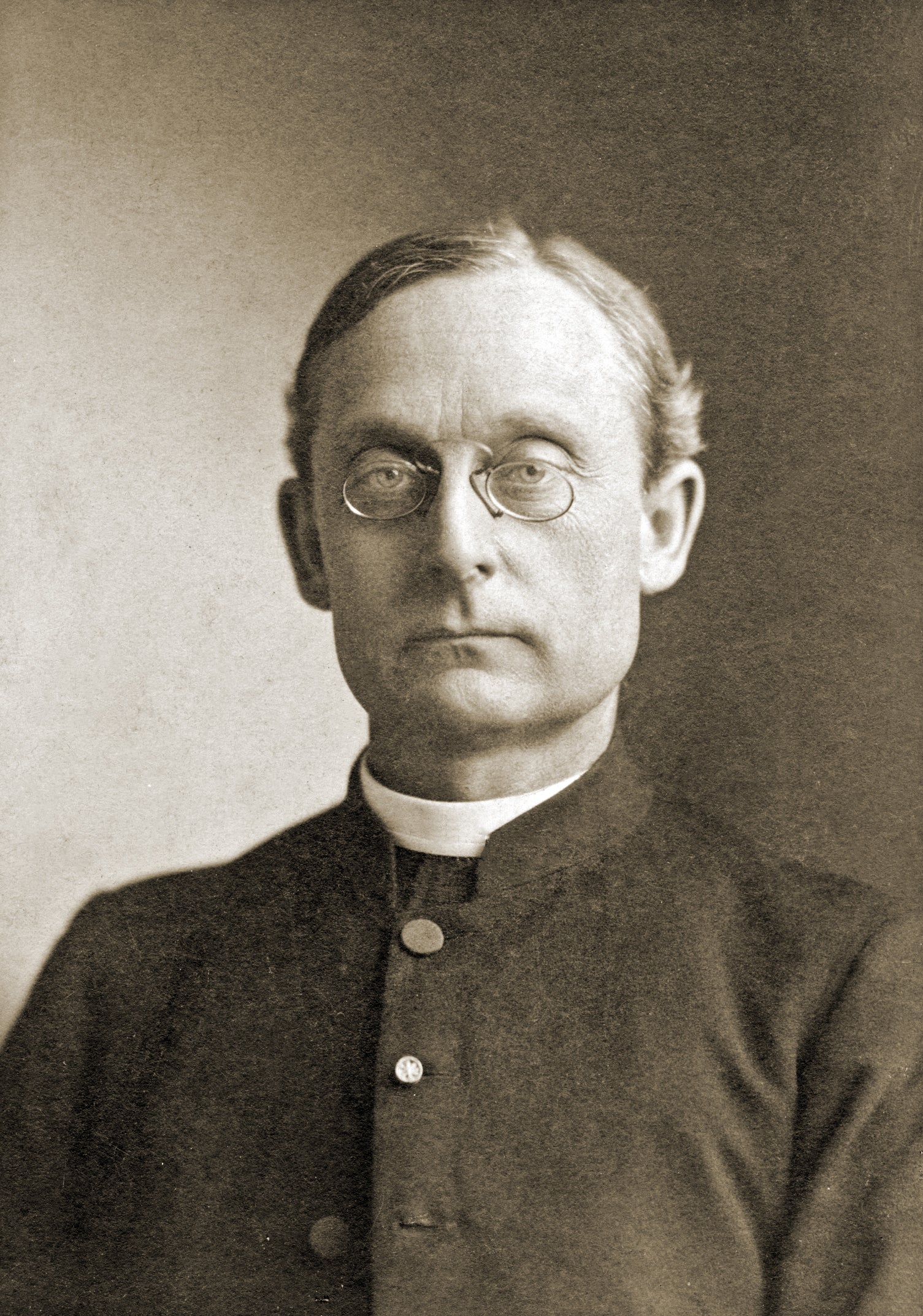
21. Joseph Havens Richards, S.J.
Librarian
1882-1883
Photograph from the Georgetown University Archives Photograph Collection.
Joseph Havens Richards was born on November 8, 1851, in Columbus, Ohio. He attended Boston College, where he demonstrated an aptitude for the sciences, and entered the Jesuit Order following his graduation in 1872. He taught physics and mathematics at Georgetown College between 1878 and July 1883, also serving as Librarian from 1882 to 1883.
He returned to Georgetown as President in 1888. His presidential term was marked by major reforms and significant enhancement of the school’s stature. He oversaw the completion of the interior of Healy Hall, construction of Dahlgren Chapel, establishment of the University Hospital, and re-establishment of graduate programs in the arts and sciences.
After resigning the presidency in 1898 for health reasons, he moved to Frederick, Maryland, and subsequently to Los Gatos in California, Boston College, St. Andrew-on-Hudson in Hyde Park, New York, and the College of the Holy Cross in Worcester, Massachusetts, where he died on June 9, 1923.
The Georgetown University Library houses the J. Havens Richards, S.J. Papers and records of his presidency in the Booth Family Center for Special Collections.
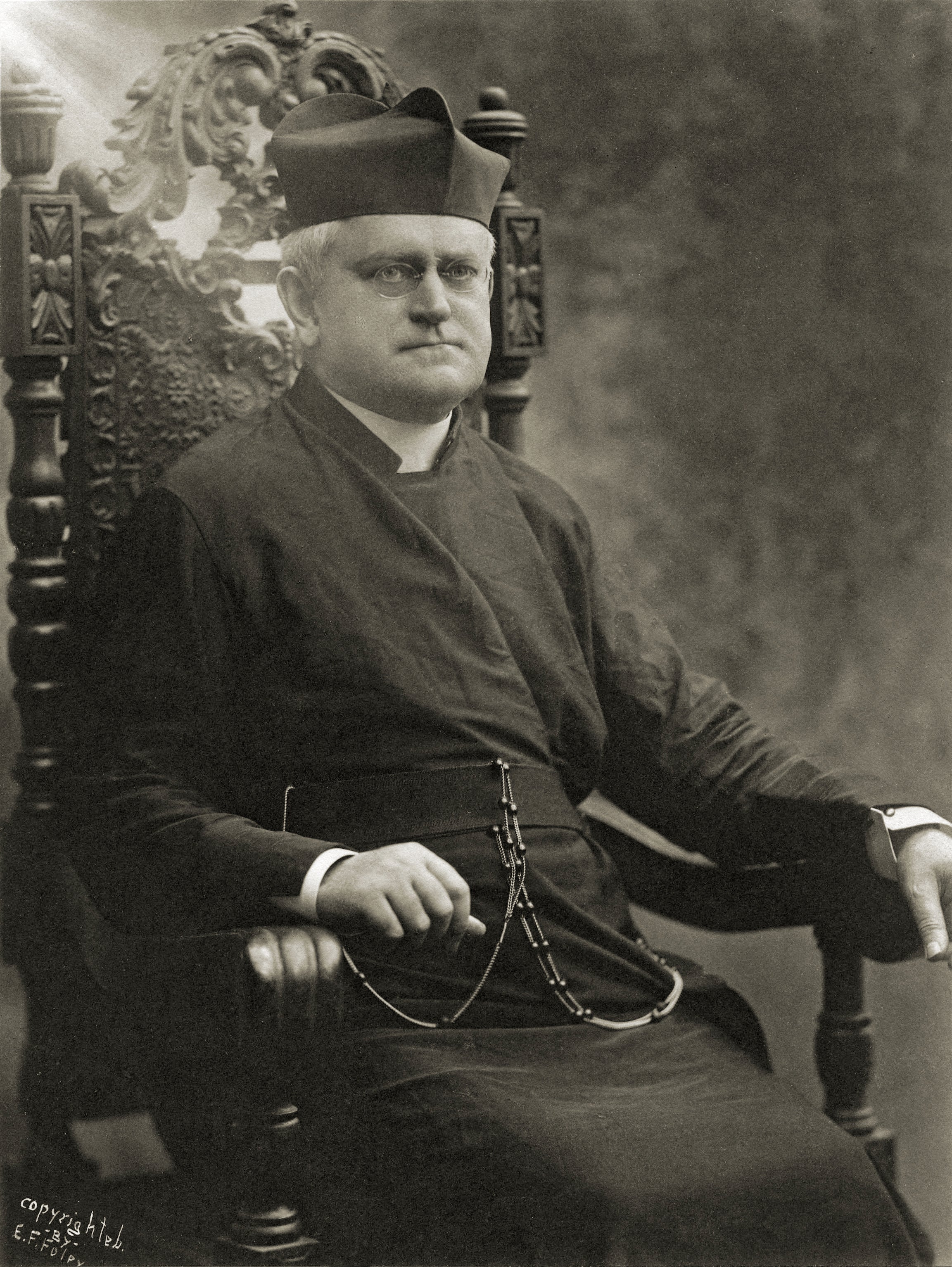
22. Michael H. O'Brien, S.J.
Librarian
1883
Photograph from the Georgetown University Archives Photograph Collection.
Michael O’Brien was born in New York City on November 17, 1851. He entered the Jesuit Order’s novitiate in Montreal, Canada, in 1872 and subsequently studied in England and Belgium. His teaching career included appointments at St. Francis Xavier College and St. John's College in New York City, as well as at Georgetown College where he also served as Librarian in 1883. He died in New York City in 1907.
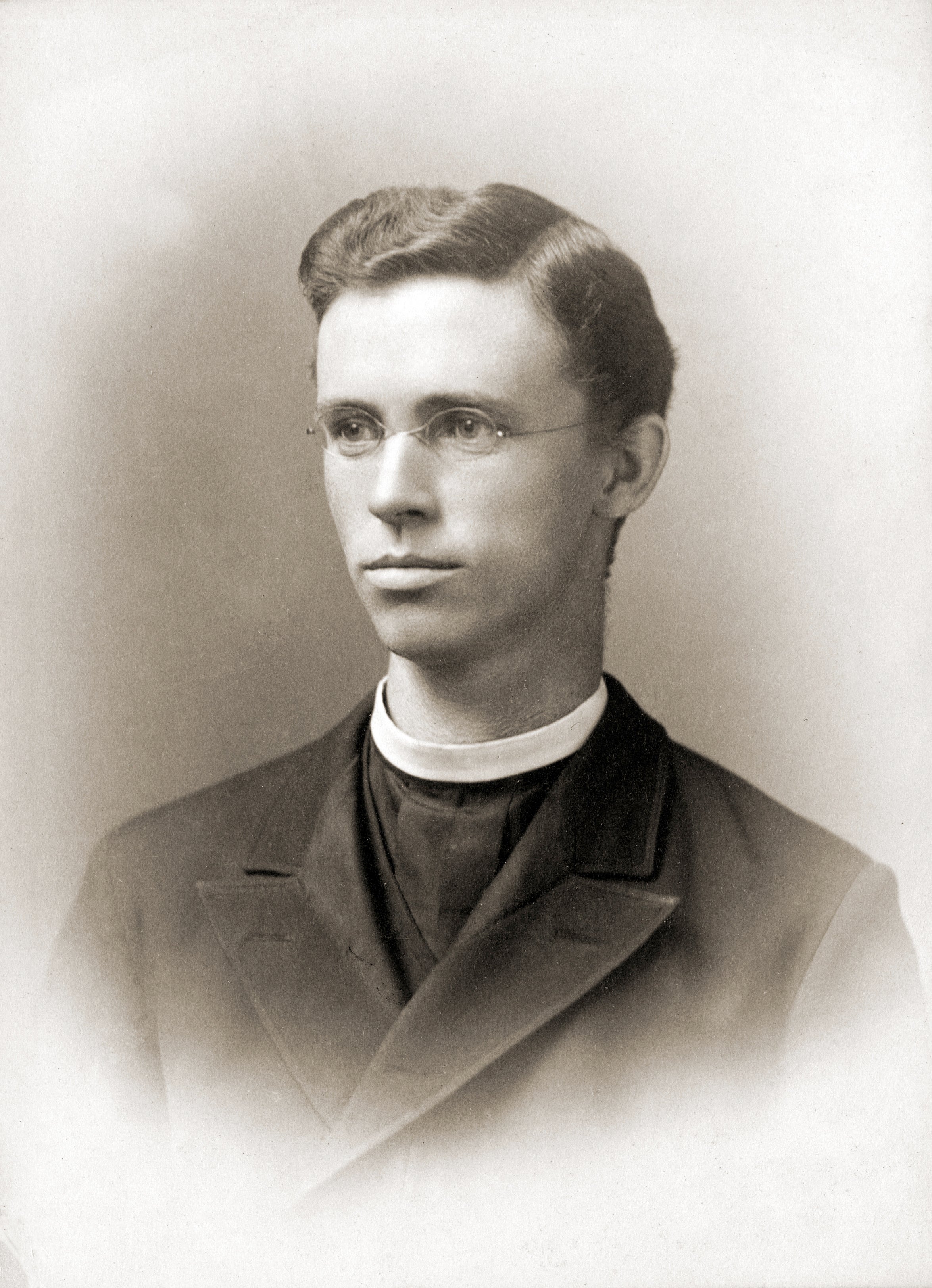
23. Timothy J. Brosnahan, S.J.
Librarian
1883-1884
Photograph from the Georgetown University Archives Photograph Collection.
Born on January 8, 1856, in Alexandria, Virginia, Timothy Brosnahan attended Gonzaga College High School in Washington, D.C. He entered the Jesuit Order in 1872 and was sent first to the Order’s novitiate in Frederick, Maryland, and then to Woodstock College, also in Maryland, to study philosophy. After a period of teaching at Boston College, he joined the faculty at Georgetown College in 1883 and also served as Librarian.
Returning to Woodstock College, he served as editor of The Woodstock Letters from 1886 to 1887. In 1894, he became President of Boston College. Resigning from that position in 1898, he taught at Woodstock College and later at Loyola College in Baltimore, Maryland. Sent to Georgetown for health reasons in 1914, he died there on June 4, 1915, and is buried in the Jesuit Community cemetery on campus.
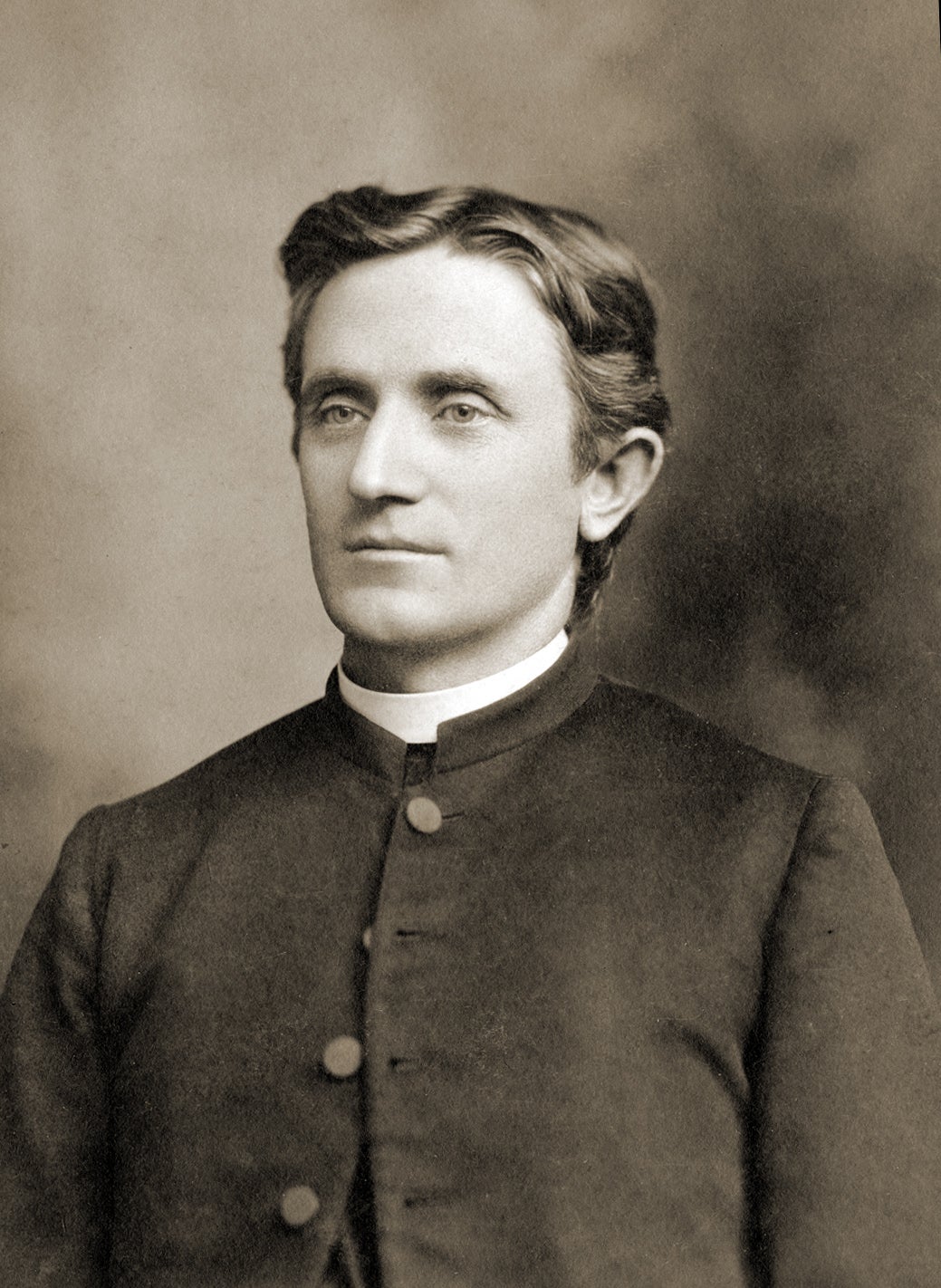
24. William F. Clark, S.J.
Librarian
1884-1887
Photograph from the Georgetown University Archives Photograph Collection.
William Clark was born in Smithtown, Long Island, on August 11, 1856. After attending St. Francis Xavier College in New York City, he entered the Jesuit Order’s novitiate at Sault-au-Recollet, Canada, in 1876. He studied at Woodstock College in Maryland from 1879 to 1882 and then moved to Georgetown where he taught classics until 1887 and also served as Librarian. He later acted as Socius (secretary and chief of staff) to the head of the Jesuit Order’s Maryland Province before being stationed at St. Joseph’s College in Philadelphia, Pennsylvania, at St. Andrew-on-Hudson in Hyde Park, New York, at the College of the Holy Cross in Worcester, Massachusetts, at Canisius College in Buffalo, New York, at Brooklyn College, at Woodstock College in Maryland (where he was rector 1918-1921), and at Fordham University in New York City. He died on February 25, 1947.
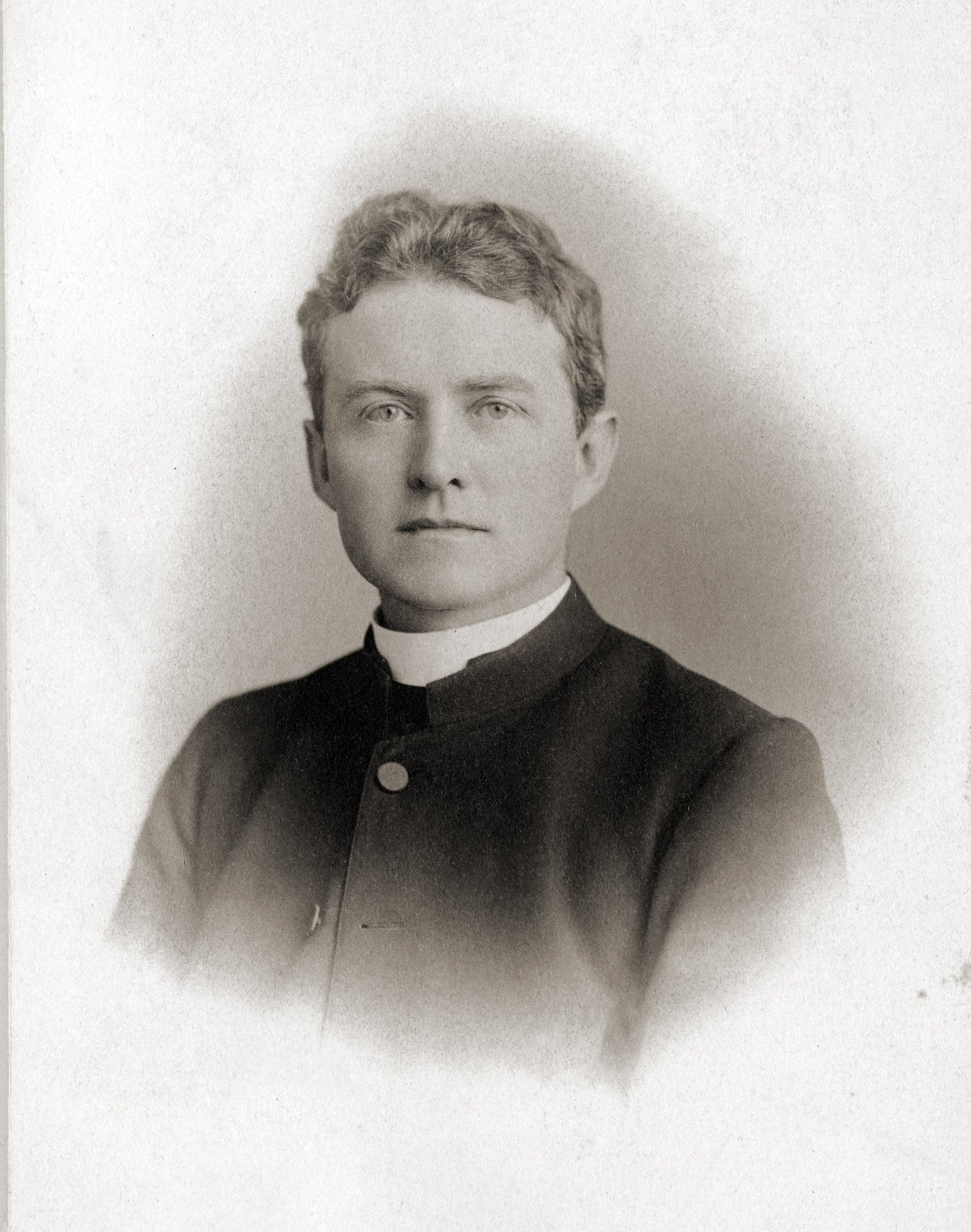
25. Cornelius J. Clifford, S.J.
Librarian
1887-1888
Photograph from the Georgetown University Archives Photograph Collection.
Cornelius Clifford was born in New York on August 24, 1859. After graduating from St. John's College in New York City, he entered the Jesuit Order in 1879 but left in 1893. He served as Librarian at Georgetown College from 1887 to 1888 and subsequently taught at St. Thomas College in Saint Paul, Minnesota, Seton Hall in South Orange, New Jersey, and Columbia University in New York City. He was Rector of the Church of Our Lady of Mercy in Whippany, New Jersey, from 1909 until his death on December 4, 1938.

26. John C. Keveney, S.J.
Librarian
1888-1889
John Keveney was born on October 23, 1848, and entered the Jesuit order in 1872. After teaching at St. John's College and St. Francis Xavier College in New York City, he was assigned to Georgetown College. There, he served as Librarian from 1888 to 1889 and taught mathematics and French from 1889 to 1890. Notably during his Librarianship, the unfinished Riggs Library space was used as a makeshift dormitory for alumni returning to campus for the University’s centennial celebrations and Washington banker E. Francis Riggs pledged $10,000 to complete it.
He continued his teaching career at several other Jesuit schools, including St. Peter’s College in New Jersey, Fordham University, St. Francis Xavier College, and the College of the Holy Cross in Worcester, Massachusetts. He died in 1918.
27. Michael Flynn, S.J.
Librarian
1889-1890
Michael Flynn was born in New York City on July 16, 1837, and entered the Jesuit Order in 1856. After teaching at St. John's College in New York City and the College of the Holy Cross in Worcester, Massachusetts, he moved to Georgetown University as Librarian and Professor of French in fall 1889 and remained there for the 1889-1890 academic year. He later served as Librarian at Woodstock College, Maryland, where he cataloged the College’s archives. When his health began to fail, he returned to St. John's College where he continued to teach and serve as Librarian until his death in 1897. He is buried in the Fordham College Cemetery.
28. James F. X. Mulvaney, S.J.
Librarian, Librarian of the Riggs Library
1890-1894
Born on March 8, 1858, James Mulvaney entered the Jesuit Order in 1877. He taught at Gonzaga College High School in Washington, D.C., before his appointment as Librarian at Georgetown University in 1890. He also taught in Georgetown’s Preparatory Department and was Minister of Georgetown’s Jesuit Community for a time. Father Mulvaney died in 1917.
During his tenure as Librarian, the collection was relocated from the North Building (Old North) to the Riggs Library in Healy Hall. Father Mulvaney also oversaw the integration of books on mathematics and astronomy from the Observatory Library into the Riggs collection and the installation of gas lighting in Riggs.
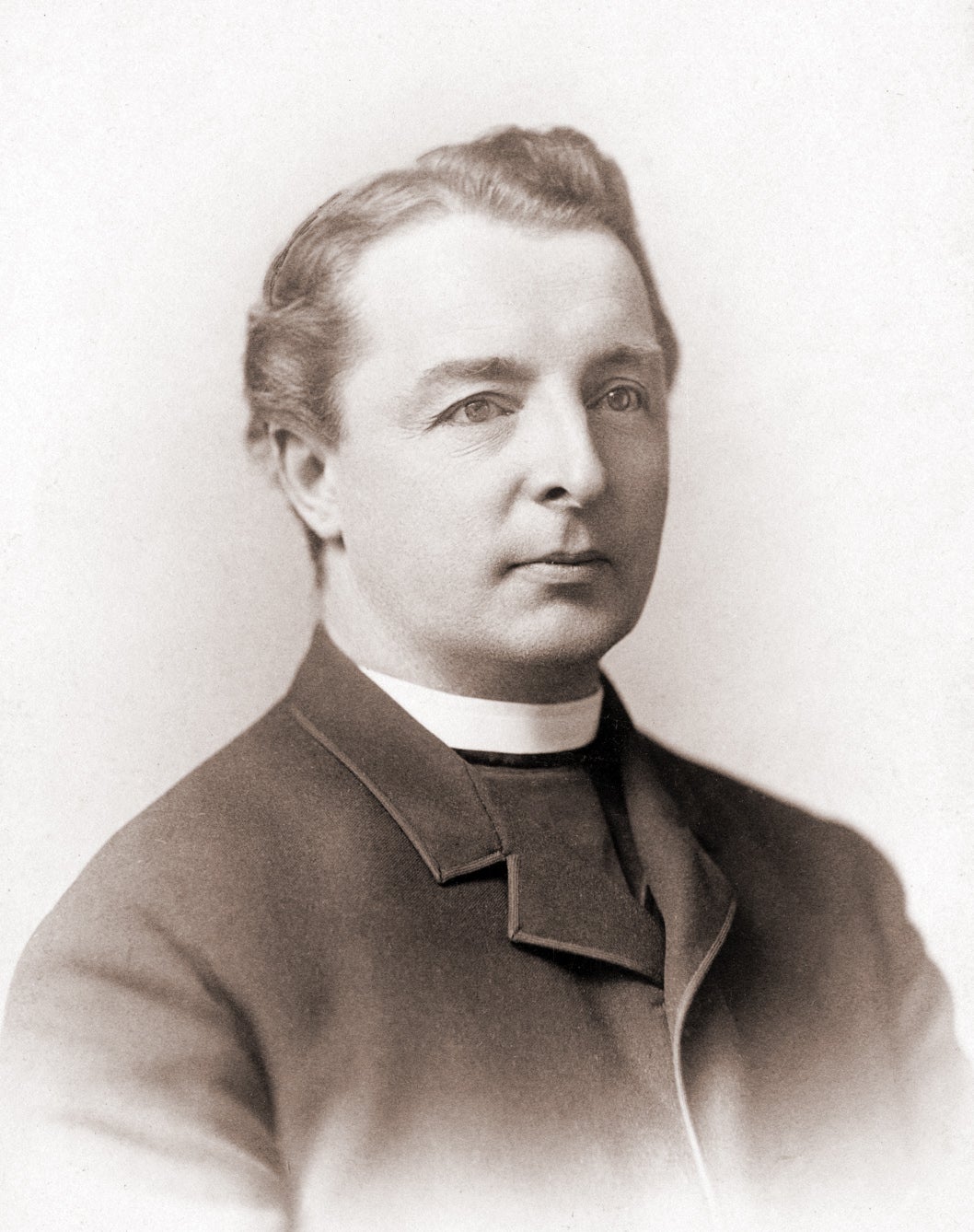
29. Alphonse Coppens, S.J.
Librarian of the Riggs Library
1894-1895
Photograph from the Georgetown University Archives Photograph Collection.
Alphonse Coppens was born on September 24, 1843, in Aalst, Belgium. He entered the Jesuit Order in 1871 and died in Baltimore, Maryland, on July 2,1919. His diverse career included service as a missionary, professor, librarian and parish priest, and as a chaplain in hospitals and prisons. At Georgetown University, he held the positions of Librarian and Professor of French from 1894 to 1895. During his time as Librarian, E. Francis Riggs donated money for oak furniture, including catalog cases with space for 300,000 cards and a desk for the Librarian.
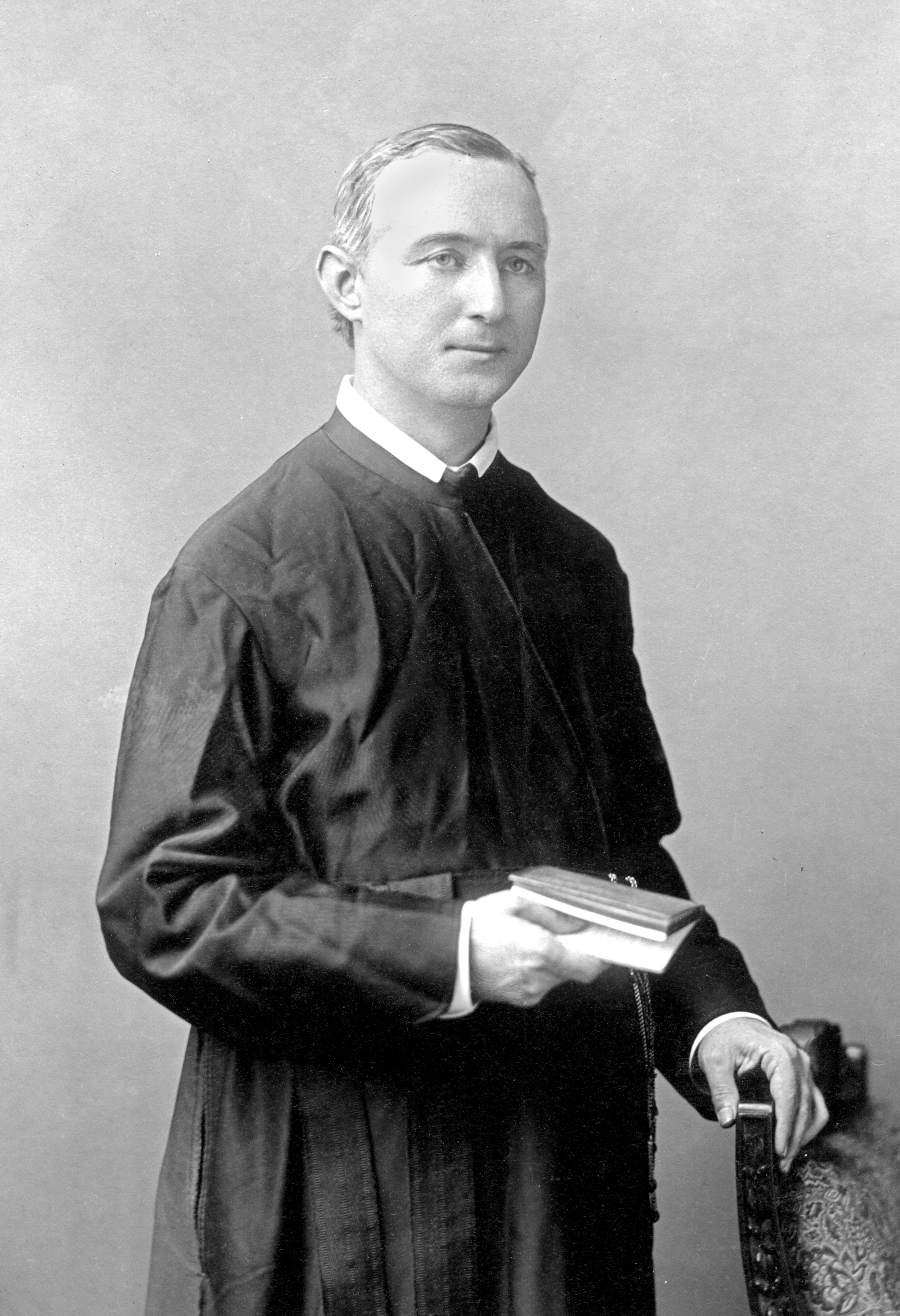
30. Henry J. Shandelle, S.J.
Librarian of the Riggs Library
1895-1898
Returned as Librarian of the Riggs Library 1901-1922 (#32).
Photograph from the Georgetown University Archives Photograph Collection.
Henry Shandelle was born in Westphalia, Germany, on September 21, 1848. He came to Baltimore, Maryland, as a child and entered the Jesuit Order in 1865. He was a teacher for most of his life, holding positions at Boston College, Loyola College in Baltimore, Maryland, the College of the Holy Cross in Worcester, Massachusetts, and at Georgetown University where he worked for thirty years. He was Professor of Philology and Early English Literature in Georgetown’s Graduate School, and was Dean of that school for a time. He also designed the murals in Gaston Hall which were executed by Brother Francis Schroen.
Father Shandelle served as Librarian for 24 years. During his tenure, several significant improvements were made: a book lift was installed in Riggs (1895); the Library was wired for electricity (1897); cataloging according a modified version of the Dewey Decimal System was implemented (1897); the Hirst Library, which was a formal amalgamation of the student societies’ libraries, opened as a basic undergraduate library (1902); and the Morgan Maryland Colonial History Library, which was a precursor to the special collections division, was established to house books, historical manuscripts and papers relating to early Maryland families (1909). In 1909, a fire destroyed 5000 books in the Post-Graduate library in Old North. By the time he retired as Librarian in 1922, the collection numbered approximately 200,000 volumes and 50,000 pamphlets in more than 500 languages.
Father Shandelle died at Georgetown on November 27, 1925, and is buried in the Jesuit Community cemetery on campus. The Riggs Library Annex, constructed on the second floor of Healy Hall in 1910 to provide additional book storage, was renamed the Shandelle Reading Room after his death.
The Georgetown University Library houses the Henry J. Shandelle, S.J., Papers in the Booth Family Center for Special Collections.
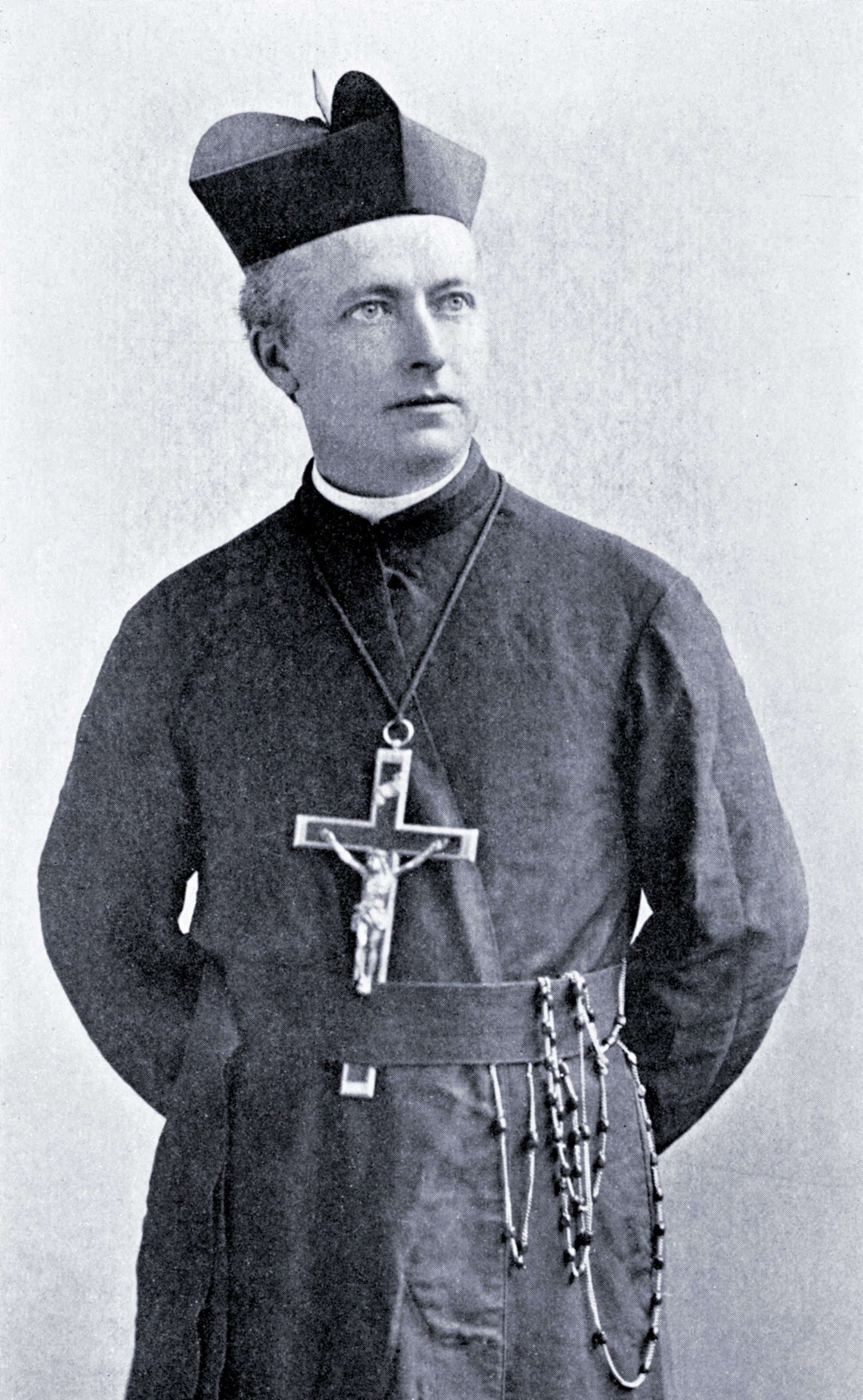
31. Francis A. Barnum, S.J.
Librarian of the Riggs Library
1898-1901
Photograph from the Georgetown University Archives Photograph Collection.
Francis Barnum was born in Baltimore, Maryland, on January 23, 1849. He attended Loyola College in Baltimore and Georgetown College. Entering the Jesuit Order in 1880, he taught at Boston College, pursued additional academic studies, and then undertook parish work at St. Joseph Church in Troy, New York. For the majority of the 1890s, he was engaged in mission work in Alaska.
In 1898, Fr. Barnum returned to Georgetown as Librarian of the Riggs Library. Upon discovering important historical documents stored in closets and attics across campus, he gathered them together to preserve them and make them accessible to researchers. In doing so, he became the first Georgetown University Archivist in fact, if not in name. He officially served as Archivist from 1913 until his death in 1921. The notes and memoirs he wrote during his tenure are among the most vivid surviving accounts of day-to-day life on Georgetown’s campus, from his student days in the 1860s through the early twentieth century.
Fr. Barnum died at Georgetown on November 11, 1921, and is buried in the Jesuit Cemetery on campus.
The Georgetown University Library houses the Francis A. Barnum, S.J., Papers in the Booth Family Center for Special Collections.
32. Henry J. Shandelle, S.J.
Librarian of the Riggs Library
1901-1922
His second of two terms as Librarian of the Riggs Library. See entry #30 for bio.
Photograph from the Georgetown University Archives Photograph Collection.
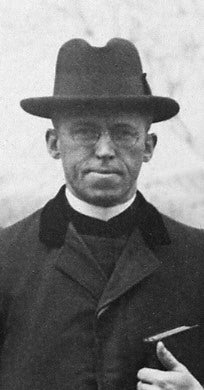
33. Philip H. Burkett, S.J.
Librarian of the Riggs Library
1922
Photograph from the Georgetown University Archives Photograph Collection.
Philip Burkett was born on December 20, 1876, in Buffalo, New York, and entered the Jesuit Order in 1893. He taught political science, economics, and sociology at Brooklyn College, Boston College, and St. Joseph's College in Philadelphia, Pennsylvania. During the 1920s, he was Chair of the Sociology Department at Georgetown University and also briefly served as Librarian.
Following his departure from Georgetown, he became the principal at Canisius High School in Buffalo, New York. In 1938, he began teaching at the Jesuit Order’s novitiate at St. Andrew-on-Hudson in Hyde Park, New York. He died there on February 3, 1943.
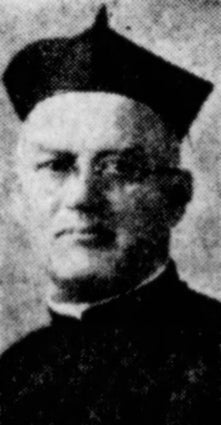
34. Patrick J. Cormican, S.J.
Librarian of the Riggs Library
1923-1924
Photograph from The Buffalo News, February 21, 1945.
Patrick Cormican was born on March 21, 1858, in Lurgan, County Galway, Ireland. He completed his early education at an Irish national school before attending the Diocesan seminary at St. Joseph's College in Garbally Park, Ballinasloe. After immigrating to the United States in 1878, he attended St. John’s College in New York City and entered the Jesuit Order in 1880.
He subsequently taught at a number of Jesuit colleges including the College of the Holy Cross in Worcester, Massachusetts, the College of St. Francis Xavier in New York City, Loyola College in Baltimore, Maryland, Boston College, Georgetown University, Canisius College in Buffalo, New York, and Brooklyn College. At Georgetown, he served as Librarian in addition to teaching English from 1923 to 1924. At the time of his death on February 20, 1945, he was assistant pastor of St. Ann’s Church in Buffalo.
The Georgetown University Library houses the Patrick J. Cormican, S.J. Papers in the Booth Family Center for Special Collections.
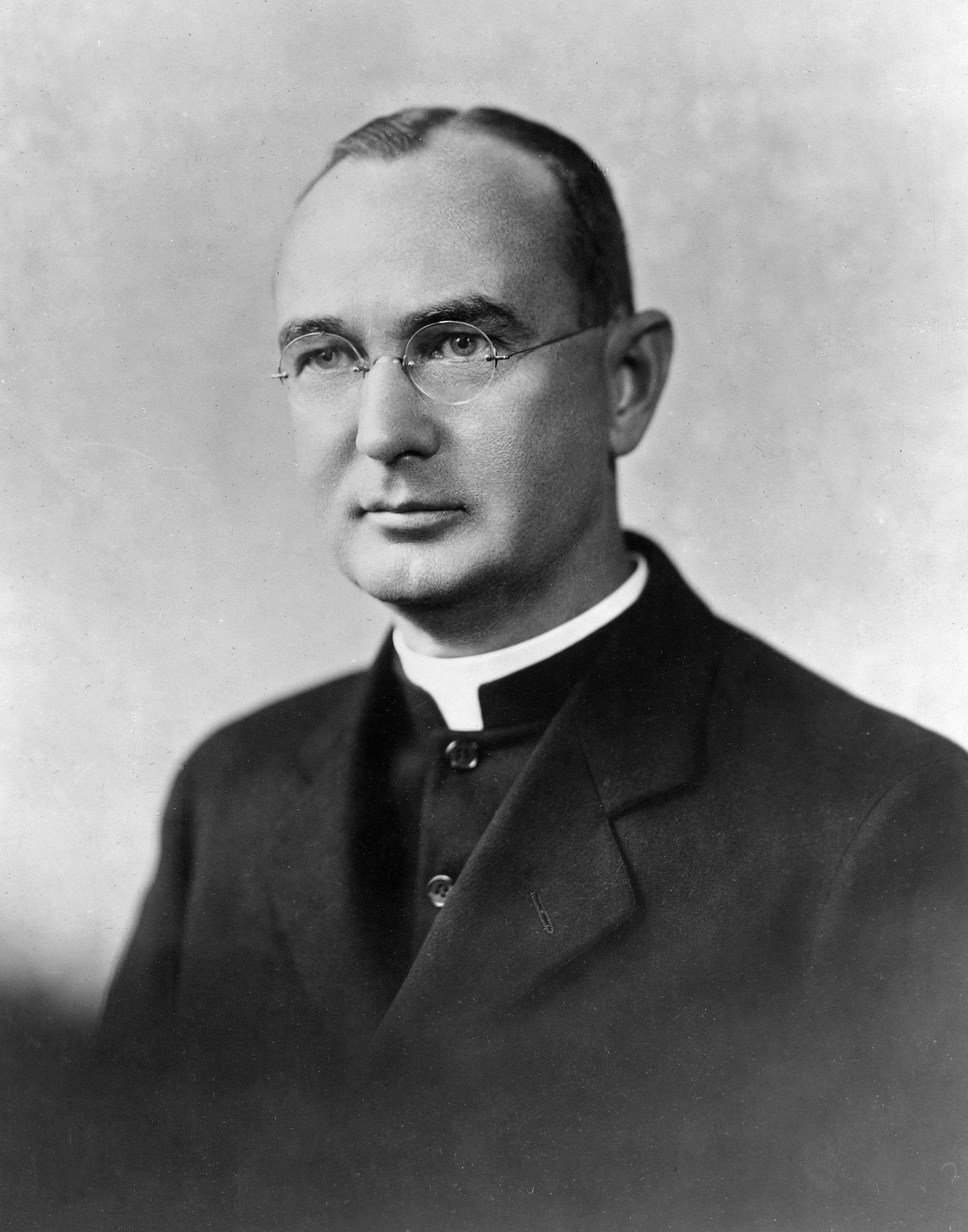
35. Arthur A. O'Leary, S.J.
Librarian of the Riggs Library
1924-1929
Returned as Librarian of the Riggs Library 1931-1935 (#37) and 1940-1941 (#40).
Photograph from the Georgetown University Archives Photograph Collection.
Arthur O’Leary was born on September 27, 1877, in Washington, D.C. He graduated from Gonzaga College High School and entered the Jesuit Order in 1903. After teaching at Canisius College in Buffalo, New York, he joined the Georgetown faculty in 1912. Ordained a priest in 1919, he taught at the Jesuit Order’s novitiate at St. Andrew-on-the-Hudson in Hyde Park, New York, before rejoining the Georgetown faculty in 1924 as Professor of Ethics, Dean of the Graduate School, and Librarian.
As Librarian, he oversaw the introduction of library cards for students, the installation of a greatly improved lighting system, and the creation of a colonial exhibition to commemorate the 200th anniversary of George Washington’s birth in 1932. In April 1934, Genevieve Garvan Brady, widow of New York financier Nicholas Brady, donated the “Cewe” manuscript of Richard Brinsley Sheridan's School for Scandal and Mark Twain’s autograph manuscript of the Adventures of Tom Sawyer to Riggs Library. These works are housed today in the Booth Family Center for Special Collections in Lauinger Library.
Father O’Leary relinquished active management of the Library when he was appointed Georgetown President on July 2, 1935. At that time, there were 177,574 cataloged volumes in the collection. However, he returned as Director of the Riggs Library during the 1940-1941 academic year. That year, the Library installed its first book drop to facilitate after-hours returns and held the inaugural annual Library Staff Picnic at Great Falls.
After Father O’Leary left the Georgetown presidency, he served as assistant pastor at St. Aloysius Church in Washington, D.C., and later as spiritual director at Woodstock College in Maryland and at Georgetown Preparatory School. In 1947, he became pastor of Holy Trinity Church in Georgetown. He returned to St. Aloysius in 1953, where he remained until his death on February 8, 1962.
The Georgetown University Library houses records of Father O’Leary’s career and presidency in the Booth Family Center for Special Collections.
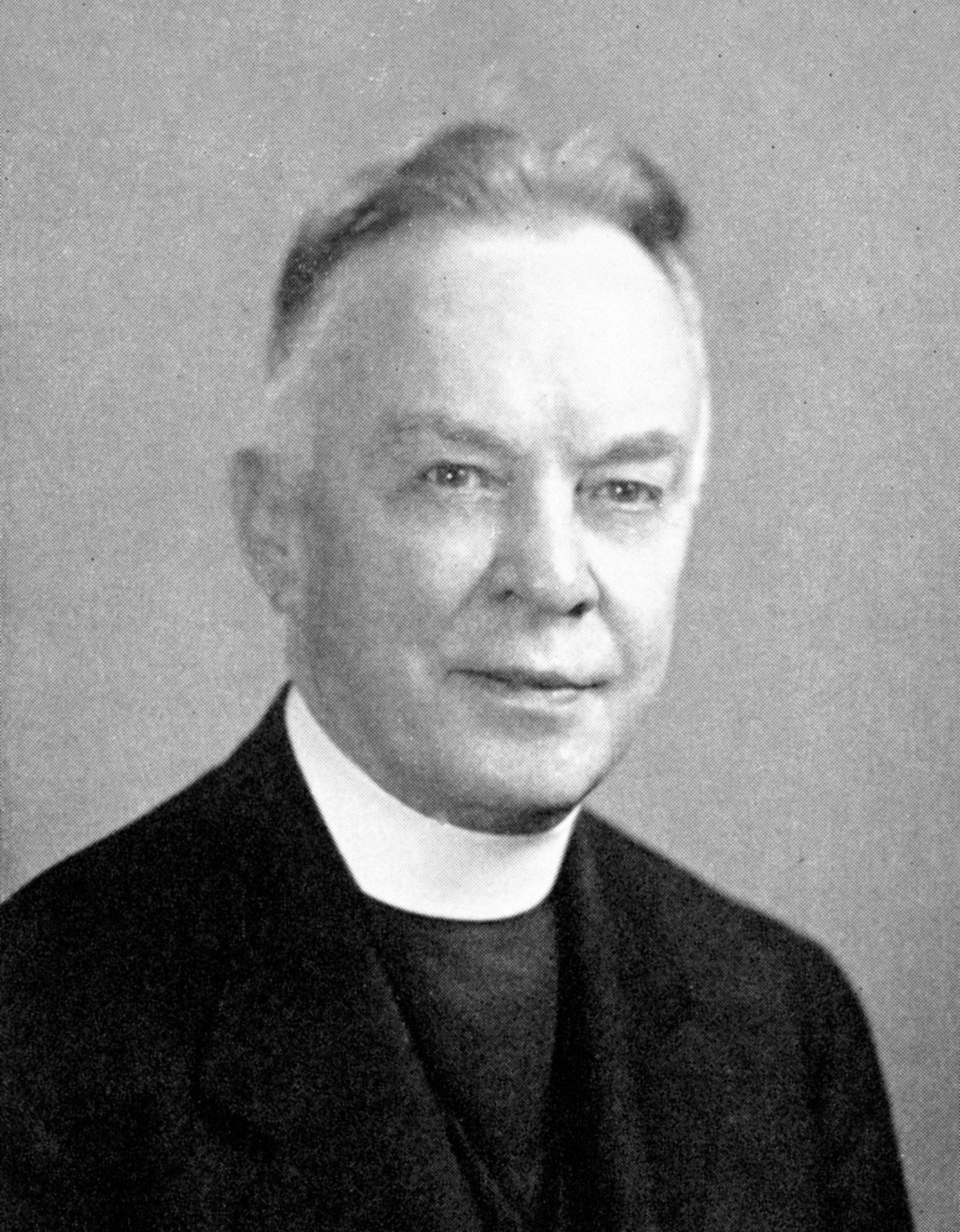
36. John J. O'Connor, S.J.
Librarian of the Riggs Library
1929-1931
Photograph from the Georgetown University Archives Photograph Collection.
John J. O’Connor was born on September 1, 1876. A graduate of St. Joseph's Preparatory School in Philadelphia, Pennsylvania, he studied at the College of the Holy Cross in Worcester, Massachusetts, before entering the Jesuit Order in 1896. He taught at a number of Jesuit schools, including St. Francis Xavier College and St. Joseph’s College in New York City, before joining the Georgetown University faculty in 1927. He served as Librarian from 1929 to 1931 and taught Greek language and literature at Georgetown until his retirement in 1948. He died on March 18, 1950, and is buried in the Jesuit Community cemetery on campus.
37. Arthur A. O'Leary, S.J.
Librarian of the Riggs Library
1931-1935
Photograph from the Georgetown University Archives Photograph Collection.
His second of three terms as Librarian of the Riggs Library. See entry #35 for bio.
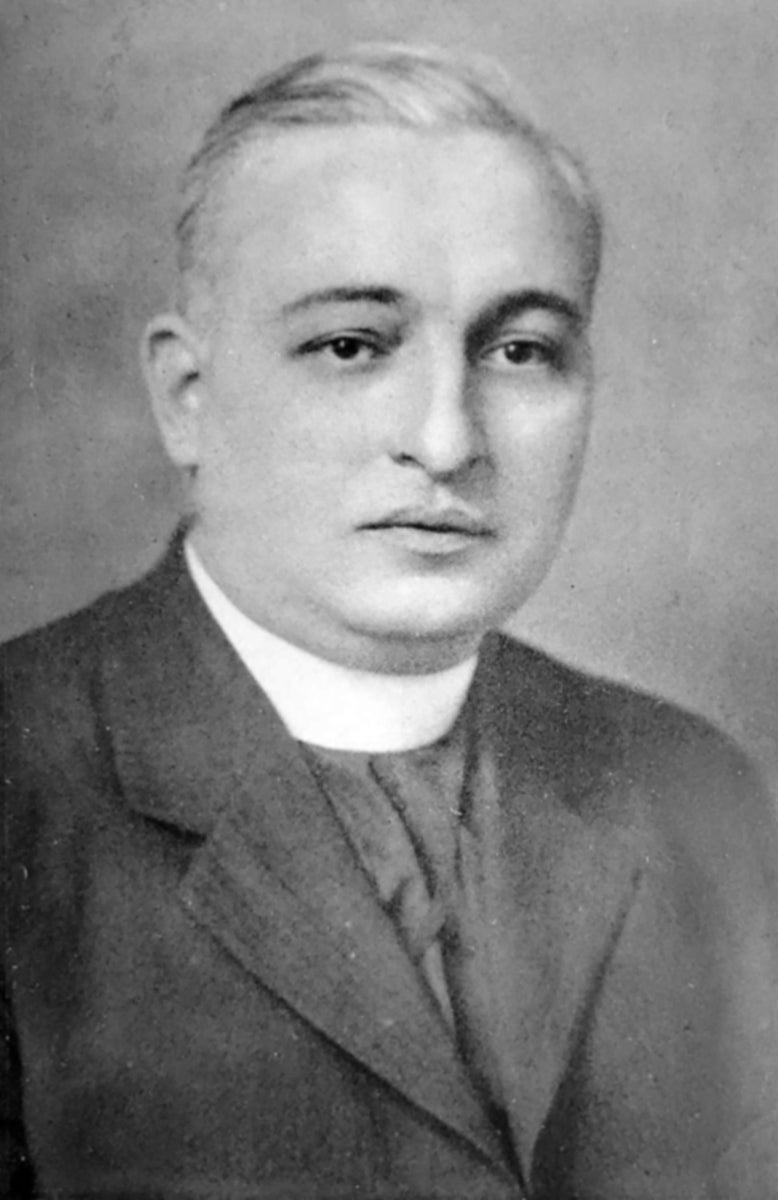
38. Leo F. Andries, S.J.
Librarian of the Riggs Library
1935-1936
Photograph from the Xavier High School Archives.
Leo Andries was born on October 28, 1885, and entered the Jesuit Order in 1907. Appointed Librarian at Georgetown University on July 31, 1935, he had previously served as headmaster at St. Francis Xavier Military High School in New York City from 1926 to 1934. As Librarian, Father Andries oversaw a switch in the classification of books in Riggs Library from the Dewey Decimal System to Library of Congress Classification.
He left the Society September 5, 1936, but remained a diocesan priest, serving in Michigan until his death in 1951.
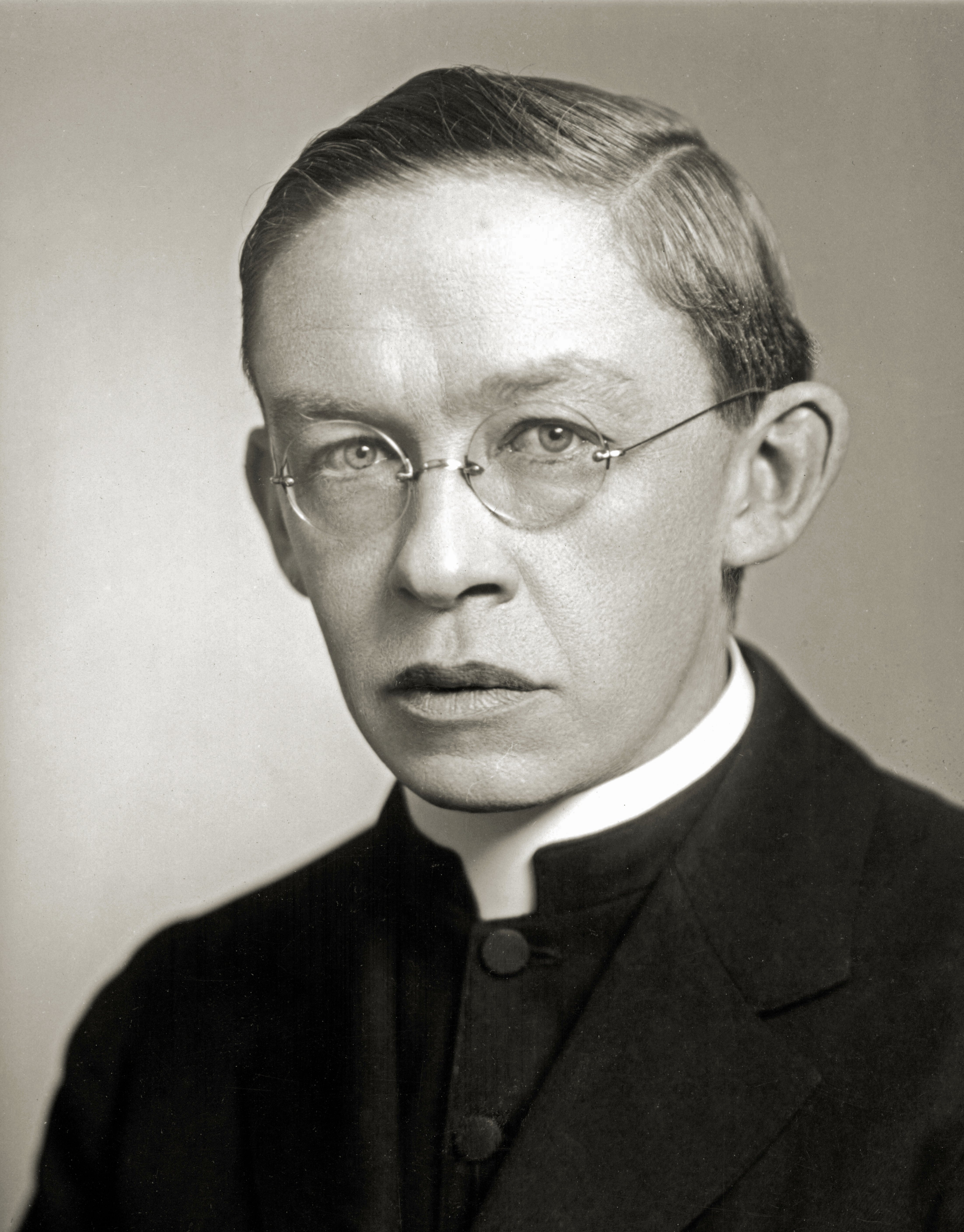
39. Joseph Wilfrid Parsons, S.J.
Director of the Riggs Library
1937-1940
Returned as Director of the Riggs Library 1949-1951 (#44).
Photograph from the Georgetown University Archives Photograph Collection.
Wilfrid Parsons was born in Philadelphia, Pennsylvania, on March 17, 1887. Following a year at St. Joseph’s College in Philadelphia, he entered the Jesuit Order in 1903. After academic studies in Europe and at Woodstock College in Maryland, he taught at a number of Jesuit schools including Boston College High School, Loyola School in New York City, the College of the Holy Cross in Worcester, Massachusetts, and Woodstock College. He also served as editor-in-chief of America magazine from 1925 to 1936, having previously served as acting editor.
Father Parsons came to Georgetown University in 1937 as Director of the Riggs Library and the University Archives. He also taught history in the Graduate School, becoming Dean of that school in 1938. In 1939, he published Early Catholic Americana; A List of Books and Other Works by Catholic Authors in the United States, 1729-1830.
In 1940, he moved to Catholic University as chair of political philosophy but returned to Georgetown to again serve as Director of the Riggs Library in 1949. He taught political science in Georgetown’s Graduate School from 1952 to 1956.
During his tenure as Director of the Riggs Library, Phillips Temple was hired as the first professional, trained Librarian in 1937. The following year, Mark Twain’s autograph manuscript of the Adventures of Tom Sawyer, which had been donated to Riggs by Genevieve Garvan Brady in 1934, was loaned to the Museum of Modern Art in New York. It was featured in MoMA’s The Making of a Contemporary Film exhibition, coinciding with the release of the 1938 United Artists film, The Adventures of Tom Sawyer. Also in 1938, a Works Progress Administration (WPA) inventory of Riggs Library began; the WPA was a government agency created during the Great Depression to provide jobs through public works projects. Additionally, the Library purchased an electric stylus to apply call numbers and author names to book spines, along with three Underwood electric typewriters and a “microfilm reading machine.” And a Friends of the Library group was formed in 1940. In January 1951, the Library reported to the Middle States Association that its collection held approximately 250,000 volumes.The Middle States inspection team recommended planning for a new library building in its March 1951 report, citing the poor facilities in Riggs.
After his retirement, Father Parsons became Professor Emeritus and acted as Washington correspondent for America. He died at the Georgetown University Hospital, on October 28, 1958, and is buried in the Jesuit Community cemetery on campus.
The Georgetown University Library houses the Wilfred Parsons, S.J. Papers in the Booth Family Center for Special Collections.
40. Arthur A. O’Leary, S.J.
Director of the Riggs Library
1940-1941
His third of three terms as Director of the Riggs Library. See entry #35 for bio.
Photograph from the Georgetown University Archives Photograph Collection.
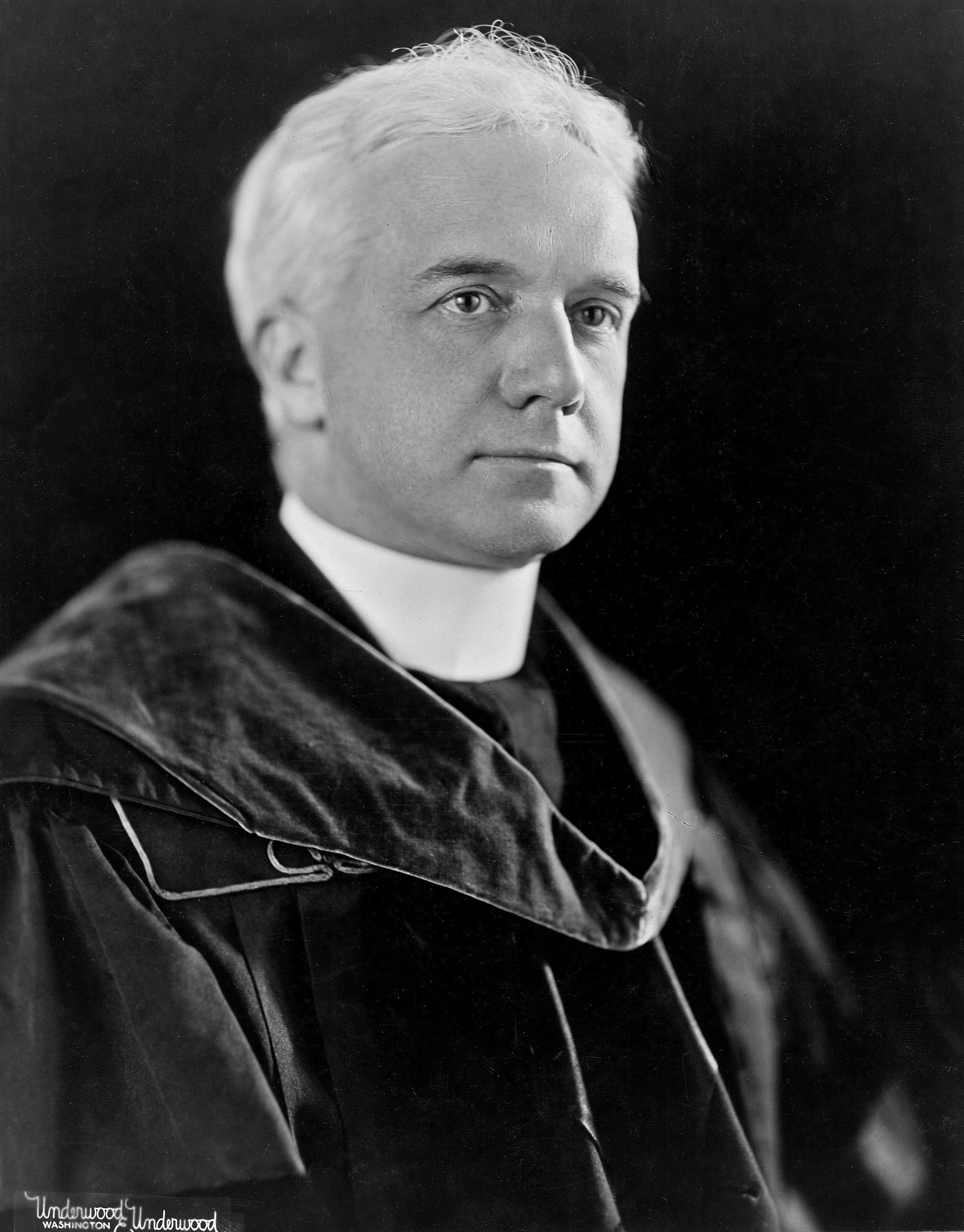
41. William Coleman Nevils, S.J.
Director of the Riggs Library
1941-1942
Photograph from the Georgetown University Archives Photograph Collection.
Coleman Nevils was born in Philadelphia, Pennsylvania, on May 29, 1878. He earned a bachelor’s degree from St. Joseph’s College in Philadelphia before entering the Jesuit Order in 1896. After teaching at several Jesuit schools, including Boston College High School, Loyola High School in New York City, the College of Holy Cross in Worcester, Massachusetts, he joined the faculty of Georgetown University as a lecturer in sociology. In 1918, he became Dean of Georgetown’s College of Arts and Sciences and was appointed University Vice President in 1919.
From 1924 to 1928, he served as Dean at the Shadowbrook House of Jesuit Studies in Stockbridge, Massachusetts. On August 8, 1928, he was reappointed Dean of the College of Arts and Sciences at Georgetown; however, on August 26, it was announced that he would instead succeed Charles W. Lyons, S.J., as Georgetown President. While President, he oversaw a significant expansion of Georgetown’s physical plant. His presidency was also known for high profile receptions and events, such as Founders’ Day, which often involved foreign dignitaries. At the conclusion of his presidency in 1935, he moved to New York City to serve as pastor of St. Ignatius Loyola Church and rector of Loyola and Regis High Schools.
Father Nevils returned to Georgetown as Director of the Riggs Library and University Archivist in 1941. During his brief tenure, rare books and manuscripts from Riggs Library were temporarily moved to the University Archives in the basement of Healy Hall for safekeeping due to wartime concerns over air raids or fires. Additionally, the Library started a free book-lending service for alumni in the armed services, mailing books to them no matter where they were stationed.
From 1942 to 1947, Father Nevils served as the first President of the University of Scranton. After leaving Scranton, he returned to New York City as head of Campion House and was appointed spiritual director of the Jesuit Community at St. Ignatius Loyola Church in 1953. He died in New York City, on October 12, 1955, and is buried in the Jesuit Community Cemetery on Georgetown University’s campus.
The Georgetown University Library houses the William Coleman Nevils, S.J., Papers in the Booth Family Center for Special Collections.
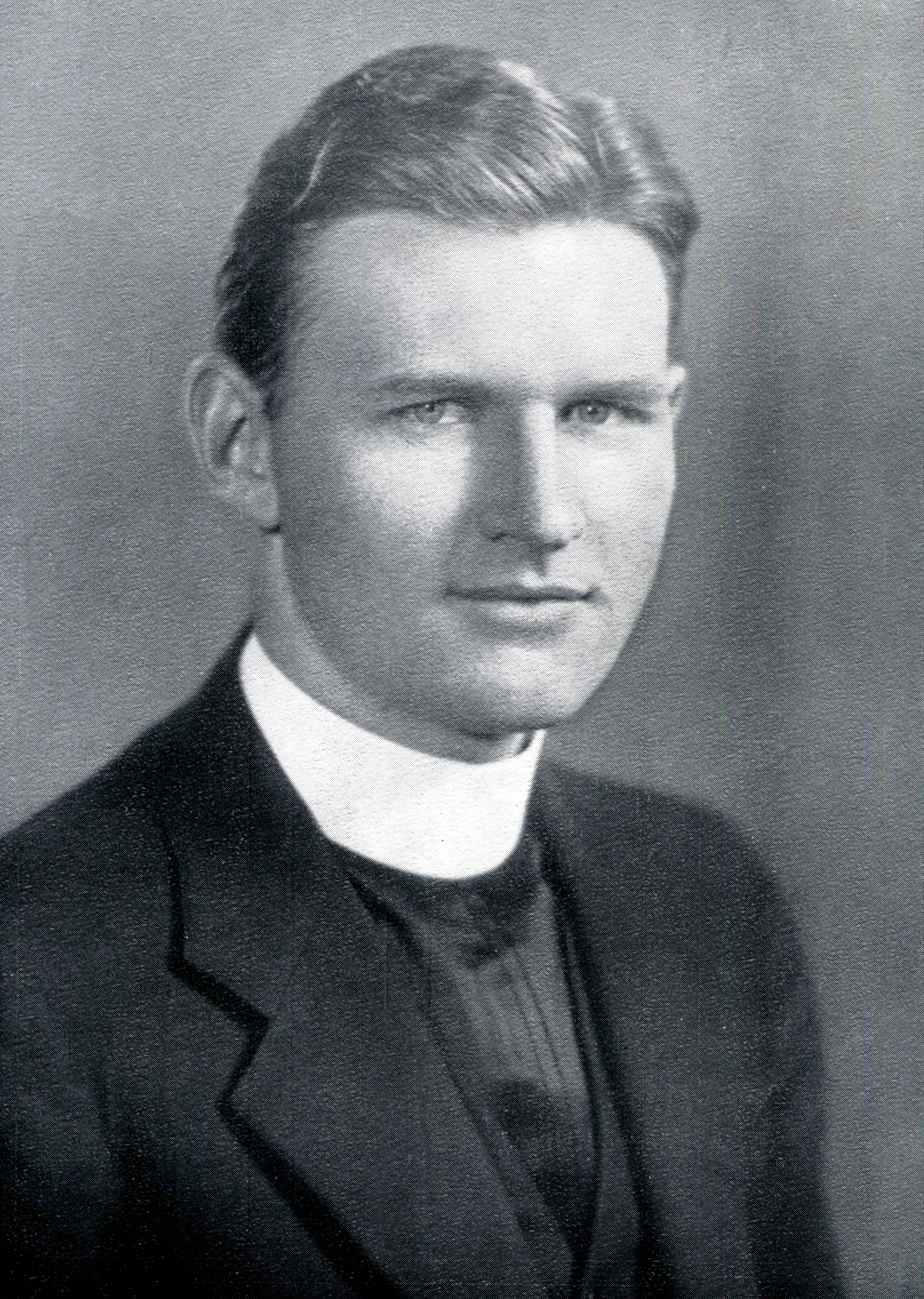
42. Philip S. Hurley, S.J.
Director of the Riggs Library
1942-1943
Photograph from the Georgetown University Archives Photograph Collection.
Philip Hurley was born on July 2, 1906, and entered the Jesuit Order in 1927. He taught religion at Georgetown University from 1941 to 1943. As Director of the Riggs Library, he formed a committee in March 1943 to foster greater cooperation and understanding between the Library and the faculty. Committee members included the Dean of the College of Arts and Science and the Chairs of the Physics and Philosophy Departments and Librarian Phillips Temple. He also designated one of the Library’s reading rooms as a War Information Center, providing access to government reports and releases. In May 1943, he oversaw the transfer of books from several Library satellite storage spaces so that those spaces could be converted into dormitories for soldiers studying on campus as part of a United States Army training program.
After leaving Georgetown, he taught sociology at Fordham University in New York City. A strong advocate of civil rights, he worked with the Catholic Interracial Council. At the end of his teaching career, he went to Puerto Rico to learn Spanish. Upon his return, he became a pastoral assistant at a South Bronx church where he opened a food pantry. He died on November 25, 1984, and is buried at Fordham.

43. Gerard F. Yates, S.J.
Director of the Riggs Library
1943-1949
Photograph from the Georgetown University Archives Photograph Collection.
Gerard Yates was born on April 1, 1907, in Staten Island, New York, and entered the Jesuit Order in 1923. He was educated at Woodstock College in Maryland and undertook postgraduate studies in theology and canon law at Ancienne Abbaye, Tronchiennes, Belgium, and in government and international relations at the London School of Economics. He received an M.A. in 1942 and a Ph.D. in 1947 from Yale University.
Arriving at Georgetown in 1930, he served the University for forty years, as a faculty member and administrator. In addition to teaching government, he held several key roles, including Director of the Riggs Library, Dean of the Graduate School, Chair of the Committee on Foreign Students, and Director of International Student Programs. During his Directorship of Riggs, as space in Healy Hall became increasingly constrained, a review began of potential locations for a new library. A number of sites were considered, including those later used for Reiss Science and Village C, a site opposite the main gates, and one on the corner of 37th and Prospect Streets.
Father Yates was a long-time member of the Chimes singing group. The Field House at Georgetown is named for him. He died on September 13, 1979, and is buried in the Jesuit Community Cemetery on Georgetown University’s campus.
44. Joseph Wilfrid Parsons, S.J.
Director of the Riggs Library
1949-1951
His second of two terms as Director of the Riggs Library. See entry #41 for bio.
Photograph from the Georgetown University Archives Photograph Collection.
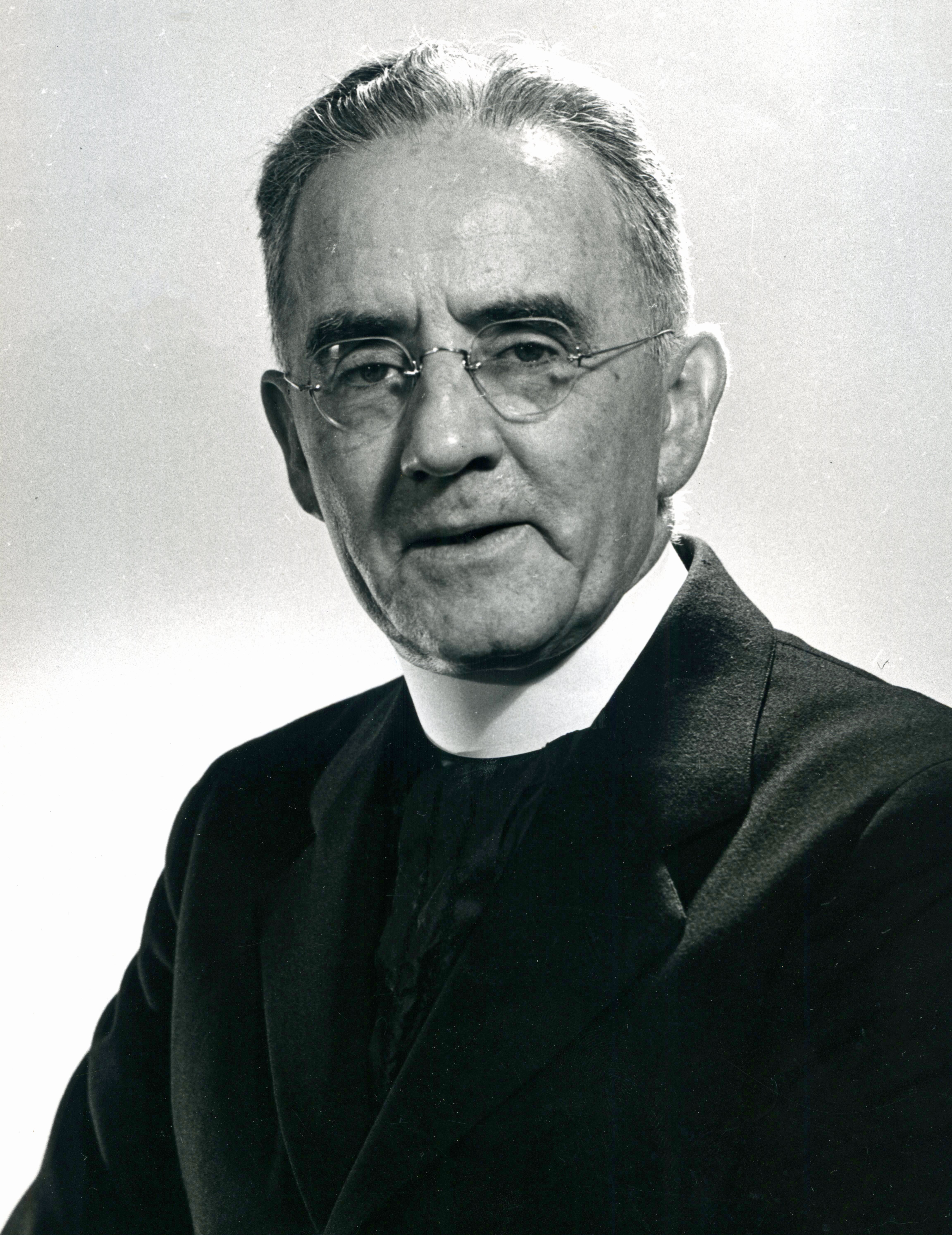
45. Francis X. Byrnes, S.J.
Director of the Riggs Library
1951-1954
Photograph from the Georgetown University Archives Photograph Collection.
Born in Philadelphia, Pennsylvania, on October 28, 1886, Francis X. Byrnes graduated from St. Joseph’s College in Philadelphia and entered the Jesuit Order in 1906. He taught at several Jesuit schools, including Georgetown and Fordham Preparatory Schools and St. Joseph’s High School and College and Loyola High School in Baltimore, Maryland. Between 1927 and 1933, he served as Socius (secretary and chief of staff) to the head of the Jesuit Order’s Maryland Province. He was Rector at the Jesuit novitiate at St. Andrew-on-Hudson in Hyde Park, New York, from 1933 to 1938, before returning to the position of Socius.
Father Byrnes served as Director of the Riggs Library for three years, beginning in 1951. His tenure was marked by a major reorganization that unified the previously separate collections of the College of Arts and Sciences and the Graduate School. Subsequently, he served as Librarian for the Georgetown Jesuit Community until his death on August 8, 1960.
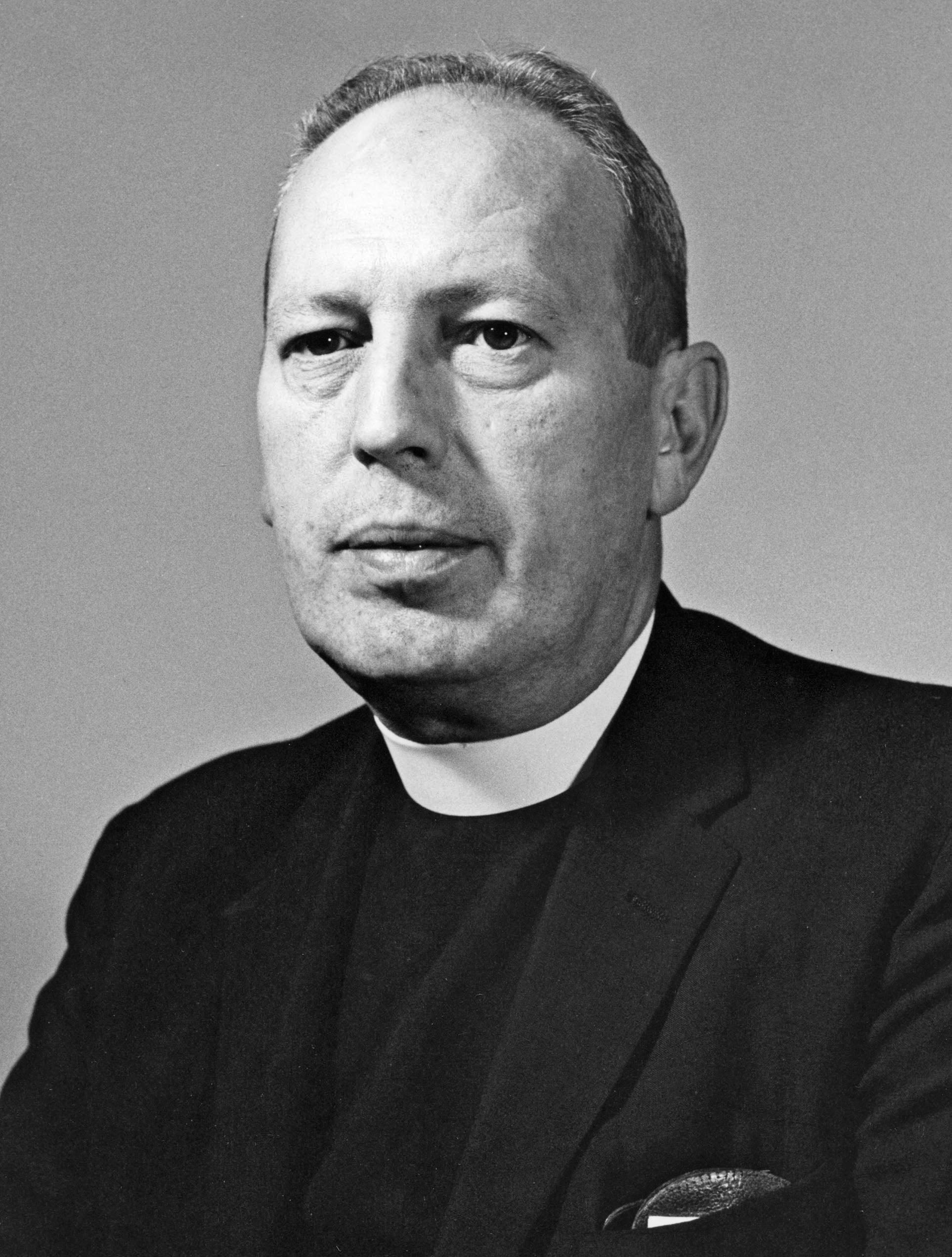
46. James B. Horigan, S.J.
Director of Libraries
1954-1970
Photograph from the Georgetown University Archives Photograph Collection.
Born in Washington, D.C., on September 30, 1911, James Bernard Horigan graduated from Gonzaga College High School in 1929 and entered the Jesuit Order. He first came to Georgetown University in 1944 to teach psychology and logic. Following additional studies at St. Louis University, Harvard University, and the University of London, he taught classics, religion, and English at a Catholic prep school in Philadelphia, Pennsylvania, before rejoining the Georgetown faculty in 1950. Teaching classes in political theory, philosophy and government, he served as Chair of Georgetown's Government Department from 1953 to 1959, as Graduate School Dean from 1959 to 1967, and Director of Libraries from 1954 to 1970.
Profound changes to the Library’s collections, physical plant, and operations occurred during his directorship. The number of volumes in the collection grew significantly, from approximately 139,000 in 1954 to over 400,000 in 1970. This substantial growth necessitated additional storage space, leading to the utilization of both the attic and ground floor of Healy Hall. A discrete special collections room was created in 1958, an audio room with four tape recorders paid for by the Senior Class Gift was added in 1960, and in 1962, Blommer Science Library opened and a dedicated science librarian was appointed. A major shift in access came in 1954 when Father Horigan opened the Library stacks to students for the first time, followed by the introduction of an IBM automated circulation system in May 1966.
Beginning in 1963, Fr. Horigan and Librarian Joseph E. Jeffs managed the planning, funding, and construction of a new library (Lauinger) to replace Riggs. John Carl Warnecke was named as architect for the project in July 1965. Groundbreaking took place on June 10, 1967, and Lauinger Library officially opened on April 6, 1970. Lauinger offered approximately 175,000 square feet of space, a substantial increase over the nearly 57,000 square feet provided by Riggs Library and its various annexes. It was designed with a capacity of one million volumes to accommodate collection growth over a 20- to 25-year period. With seating for 1,500, the Library was intended to house 25 percent of the main campus student body and faculty.
Father Horigan continued teaching at Georgetown into the mid-1970s. He died on August 9, 1987, at Georgetown University Hospital and is buried in the Jesuit Community Cemetery on campus.
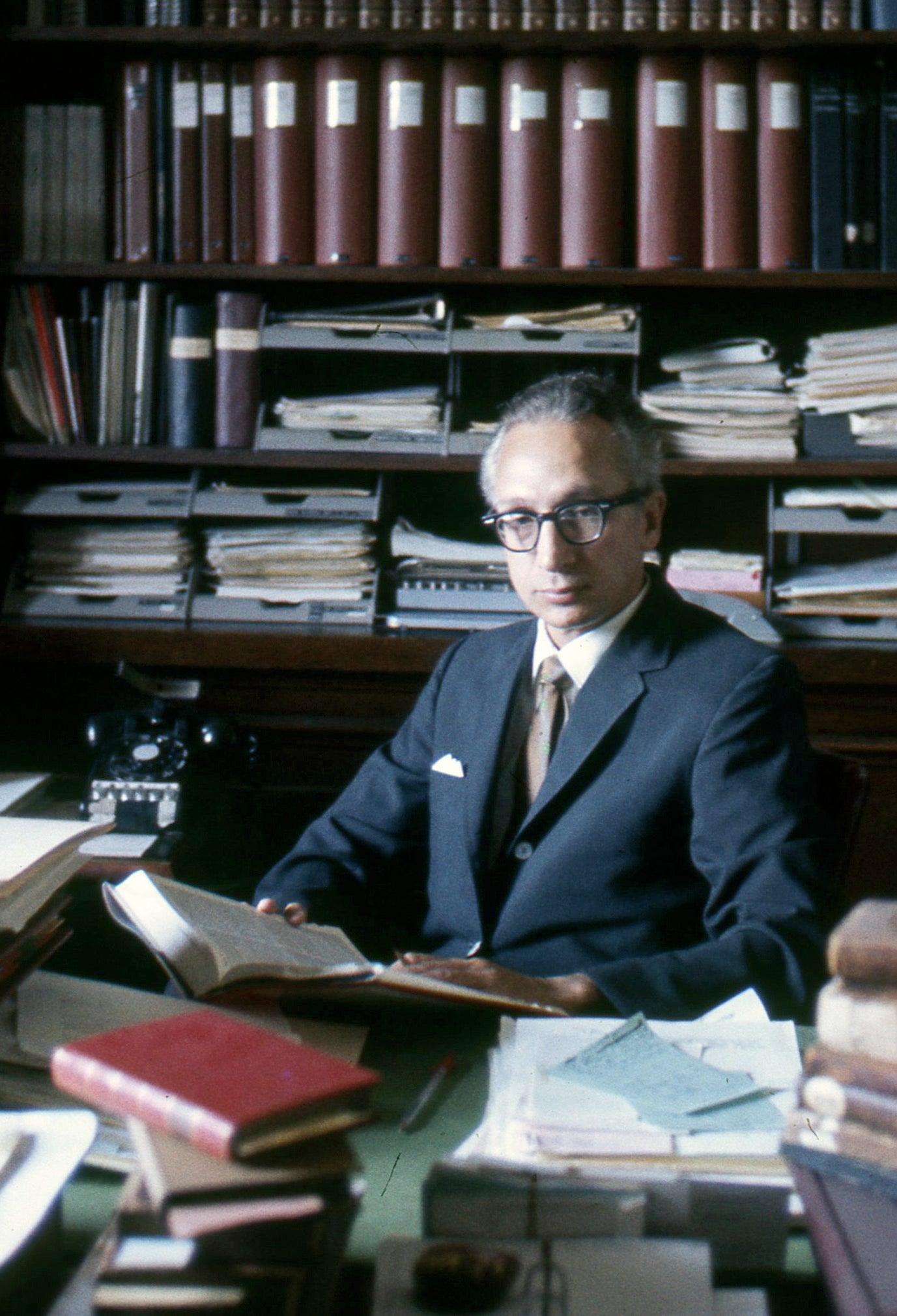
47. Joseph E. Jeffs, C’1949
University Librarian
1970-1990
Photograph from the Georgetown University Archives Photograph Collection.
Joseph Jeffs was born in Philadelphia, Pennsylvania, on July 1, 1924. After serving with the U.S. Army Air Corps in Europe during World War II, he graduated from Georgetown University with a Bachelor of Science degree in 1949. While a student, he worked in Riggs Library. Following graduation, he remained in the D.C. area, joining the staff at the Dumbarton Oaks Research Library as assistant librarian and earning a Master of Science in Library Science from the Catholic University of America.
He returned to the Georgetown Library in 1954, serving in various roles including head of the processing division and Associate Librarian, before being appointed Librarian under Director of Libraries James B. Horigan, S.J. In 1970, following Father Horigan's resignation, he was named University Librarian, a position he held until his retirement in 1990. That same year, the Joseph and Jeannine Jeffs Book Endowment Fund was established at the Georgetown University Library.
Mr. Jeffs' 40-year career significantly impacted every aspect of Library operations. In addition to collaborating with Father Horigan on the planning and construction of Lauinger Library, he modernized the Library's cataloging system, introducing the first online catalog in 1985. Furthermore, he worked tirelessly to enhance the Library's collections. Fittingly, in 1983, he accepted the one millionth addition to the Library’s collection, a 1669 copy of John Milton’s Paradise Lost. The August 1990 Library Associates Newsletter reporting his retirement summed up his many contributions: "His tenure marked the transition of the library from a pleasant, if hopelessly overcrowded and inaccessible, relic holding around 200,000 volumes to a basic university collection of over 1,250,000 volumes housed in a modern building which is a central feature of student life on the Georgetown campus."
His scholarly work included editing A Catalogue of Books on Asia Minor and the Turkish Ottoman Empire, published in 1984. In 2021, he and his wife, Jeannine, published A Graham Greene Memoir, which chronicled their relationship with the author. Mr. Jeffs first wrote to Greene in 1979 to inquire about acquiring his papers. Over the years, his friendship with Greene helped him build a significant Graham Greene collection at Georgetown.
Beyond his professional library work, Mr. Jeffs was deeply committed to human rights and peace. He participated in the 1963 March on Washington, served as chair of Rockville, Maryland’s Human Rights Commission in 1966, and tirelessly advocated for local anti-discrimination legislation. In 1989, shortly before his retirement, he was honored with the John Carroll Award from the Georgetown University Alumni Association in recognition of his volunteer and civic achievement.
Following his retirement as University Librarian, he continued to contribute to the Library, serving on its external advisory board. He also built an antiquarian book business and self-published four books, including the Greene Memoir. He died on April 22, 2023.
The Georgetown University Library houses the Joseph E. Jeffs Papers in the Booth Family Center for Special Collections.
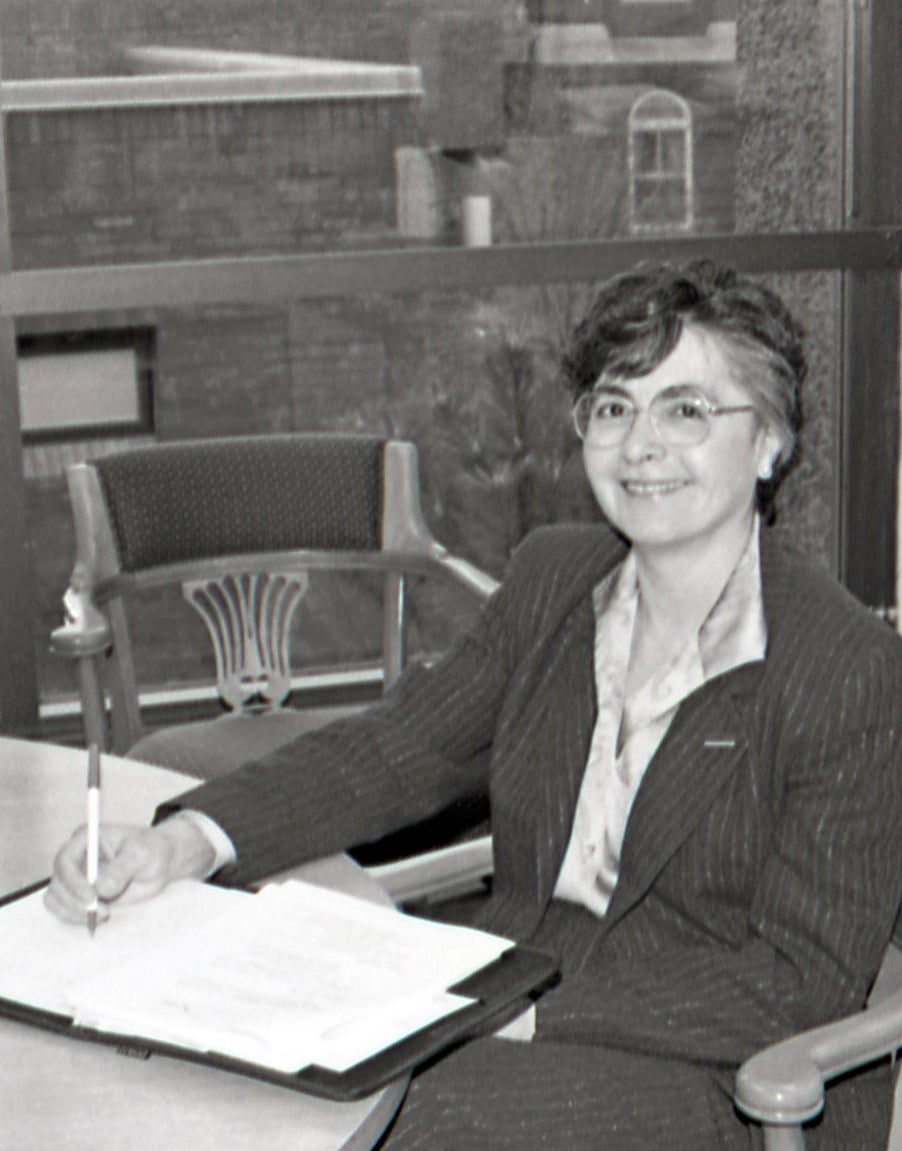
48. Susan K. Martin
University Librarian
1990-2001
Photograph from the Georgetown University Archives Photograph Collection.
Susan K. Martin holds a Bachelor's in Romance Languages from Tufts University, a Master of Library Science from Simmons College, and a Ph.D. from the University of California-Berkeley School of Library and Information Studies.
After serving as Systems Librarian at Harvard University from 1968 to 1973, Dr. Martin led the Systems Office at the University of California-Berkeley Library from 1973 to 1979. During this time, from 1973 to 1977, she edited the Journal of Library Automation, influencing discourse on emerging technologies in the field. In 1976, well in advance of perestroika, she was one of three delegates appointed by the American Library Association and the U.S. State Department to participate in an international exchange visit with the Soviet Union. From 1979 to 1988, she directed the Milton S. Eisenhower Library at The Johns Hopkins University. Subsequently, she held the position of Executive Director of the National Commission on Libraries and Information Science (NCLIS) from 1988 to 1990, advising the President and Congress on national library and information policy implementation.
Appointed to succeed Joseph Jeffs in 1990, she became the first woman to serve as University Librarian at Georgetown University. Her tenure focused on modernizing the Library’s infrastructure, overseeing extensive building renovations totalling $5.9 million, and prioritizing the integration of innovative technologies to support instruction, learning, and research, effectively ushering the Library into the digital age. Key digital milestones included the launch of the Library’s website on the World Wide Web in 1995; the subscription to over 250 full-text electronic journals in early 1997; the opening of the Dubin Room, a fully electronic classroom, the following year; and the initiation of video camera loans, coupled with the creation of a video-editing station, in 1999. In fall 2001, the Gelardin New Media Center opened to further expand access to computing resources and emerging technologies.
Additionally, Dr. Martin revised the Library’s organizational structure to align with changing academic environments and instituted a collection development policy. Under her leadership, the collection reached significant growth milestones, including the acquisition of its two-millionth volume, a 1789 printing of George Washington’s Thanksgiving Day proclamation, in 1994.
In additional contributions to Georgetown University, Dr. Martin chaired a task force to examine policies for Academic and Administrative Professionals and served on the Council of Deans and on the steering committee for a Middle States self-study.
When she retired from Georgetown in 2001, members of the Library Advisory Council established the Susan K. Martin Fund for Innovative Information Technologies. In addition, the Thomas J. Healey family established the Susan K. Martin, Ph.D., Fund for Science Fiction Award Collections at Georgetown in her honor.
After retirement from Georgetown, Dr. Martin remained active in the library profession through consulting work, leadership in professional library associations, and local library management.
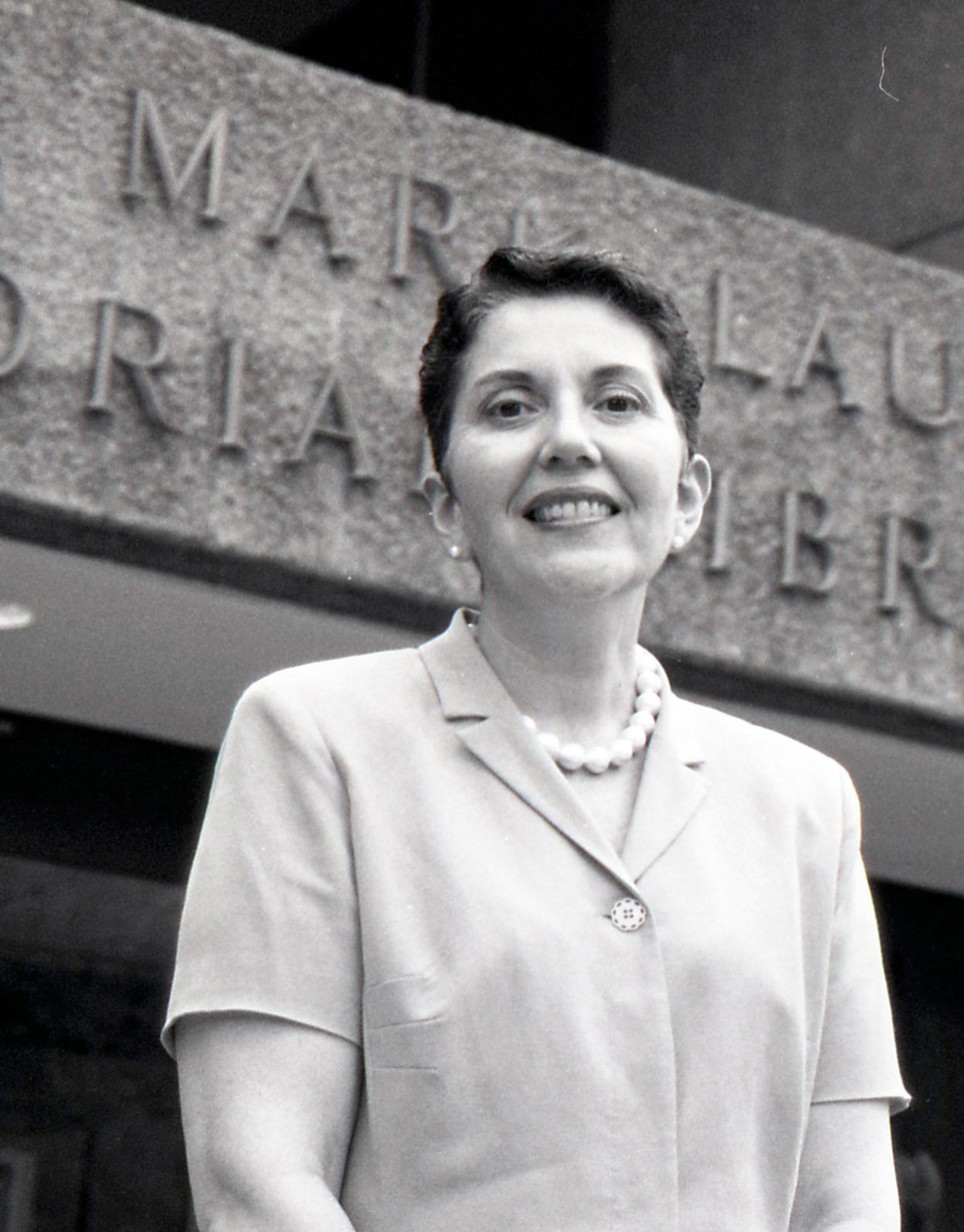
49. Artemis G. Kirk
University Librarian
2001-2017
Photograph from the Georgetown University Archives Photograph Collection.
Artemis G. Kirk holds a Bachelor of Arts in Music from Vassar College, a Master of Science in Library and Information Science from Simmons College, and a Master of Arts in Music from Harvard University.
Prior to her tenure at Georgetown University, she held several significant roles: Assistant Director of Libraries for Collections and Budget at the University of Miami; Director of Libraries and Co-Director of Information Technology for Simmons College in Boston (where she also taught library science); Head Librarian at Pine Manor College in Chestnut Hill, Massachusetts; and Assistant Librarian for Hellenic College in Brookline, Massachusetts. In 1998, she was appointed Director of University Libraries for the University of Rhode Island. A member of the OCLC User’s Council and the board of directors of the Rhode Island Higher Education Library Information Network (HELIN), she was appointed by Rhode Island’s Governor to the State Library Board.
Artemis Kirk became Georgetown University Librarian on August 27, 2001. During her 16-year tenure, she led significant transformations in the library's physical infrastructure, digital presence, and fundraising capabilities. Under her leadership, the Library secured nearly $24 million in funding through the University’s “For Generations to Come” capital campaign.
She oversaw the integration of several innovative spaces and programs into Lauinger Library, including: the Midnight Mug coffee shop, established in 2003, in partnership with The Corp (Students of Georgetown, Inc.); the Booth Family Center for Special Collections, inaugurated in 2015, which underscores the importance of primary sources in research and instruction; and the Maker Hub, opened in 2016, which collaborates with faculty to enhance instruction and serves as a collaborative space to support creativity among Georgetown community members. She developed the library program for Georgetown's Doha, Qatar campus which opened in 2005. In 2010, the Bioethics Research Library, which originated within the Kennedy Institute of Ethics, was integrated into the Georgetown University Library system.
Championing innovation within a continuously evolving technological and educational landscape, she notably launched DigitalGeorgetown, the online portal for the University’s institutional repository and digital collections, to facilitate open access to a wide range of scholarly and archival materials. She enhanced existing Library partnerships within the University community, strengthening the Faculty Library Advisory Committee and the Georgetown University Library Board, and expanding the Marino Family International Writer’s Academic Workshop for new students. Beyond campus, Georgetown became a member of numerous national and international higher education and information associations under her leadership. Artemis Kirk retired in October 2017. In 2018, the Georgetown University Library received a grant from the Resources Legacy Fund in her honor. This grant was specifically designated to support the expansion of library collections in African-American, African, and History of Slavery Studies.
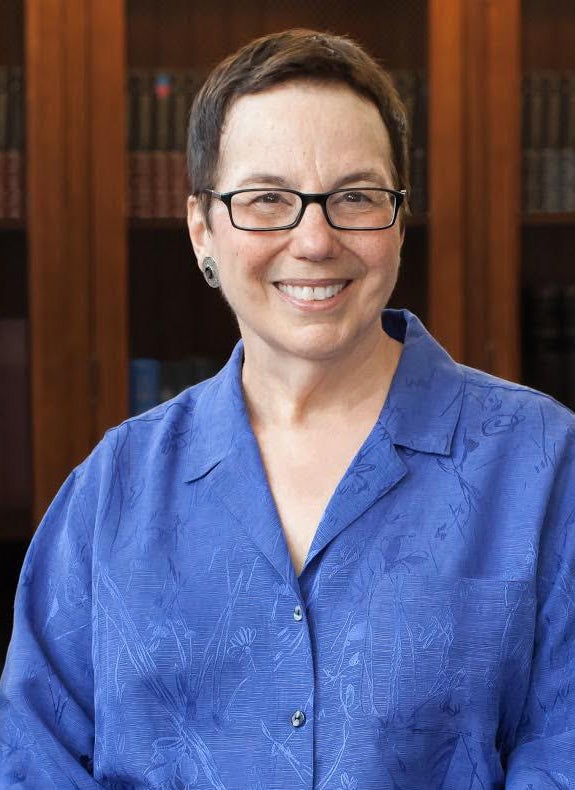
50. Harriette Hemmasi
Dean of the Library
2018-2025
Photograph from Brown University.
Harriette Hemmasi holds a Master of Library and Information Science from the University of California, Berkeley, as well as a Master of Music from Indiana University, Bloomington, and a Bachelor of Music degree from Baylor University.
Prior to her appointment at Georgetown University in fall 2018, she held progressive library leadership roles at three universities. She served as Acting Associate University Librarian for technical and automated services at Rutgers University from 1998 to 2000, following her tenure as Rutgers' music librarian from 1989 to 1998. From 2000 to 2003, she was Executive Associate Dean of Libraries at Indiana University, Bloomington. In 2005, she was appointed the Joukowsky Family University Librarian at Brown University, where she pioneered work in digital scholarship services and spaces and was instrumental in a successful $50 million fundraising effort for the library.
As Georgetown’s Dean of the Library, Harriette Hemmasi prioritized enhancing Library services, collections, and physical spaces to better support research and digital scholarship and to ensure alignment with the evolving requirements of students and faculty.
She strategically restructured Library divisions and significantly increased resources and training for digital research tools, including data visualization, text analysis, and digital mapping, to strengthen the Library's capacity to support digitally-enabled scholarship.
Additionally, she oversaw an expansion of the Library’s engagement with artificial intelligence, including providing students with workshops on evaluating and utilizing generative AI.
She also spearheaded the first major phase of a long-term modernization project for Lauinger Library, overseeing the planning for the 2,000-square-foot expansion and modernization of the Pierce Reading Room. This ambitious project included removing the south wall to reveal views of the Potomac River and creating the Duran Visualization and Learning Lab. Dean Hemmasi was a key advocate for incorporating a large-format video wall into the Lab to facilitate interactive teaching, digital scholarship, and public-facing symposia.
Other notable achievements during her tenure include: establishing safe and effective methods for accessing Library collections, services, and buildings throughout the COVID-19 pandemic to minimize disruption to learning, teaching, and research; integrating the book and archival holdings of the Woodstock Theological Library into Lauinger Library’s collections, in partnership with the Jesuit Community; establishing the Library's first Diversity, Equity, and Inclusion (DEI) committee in 2020 in coordination with the Office of Institutional Diversity, to promote a more equitable environment for staff and users; and planning for expanded Library services to support the University’s new Capitol Campus.
Dean Hemmasi retired on August 29, 2025.
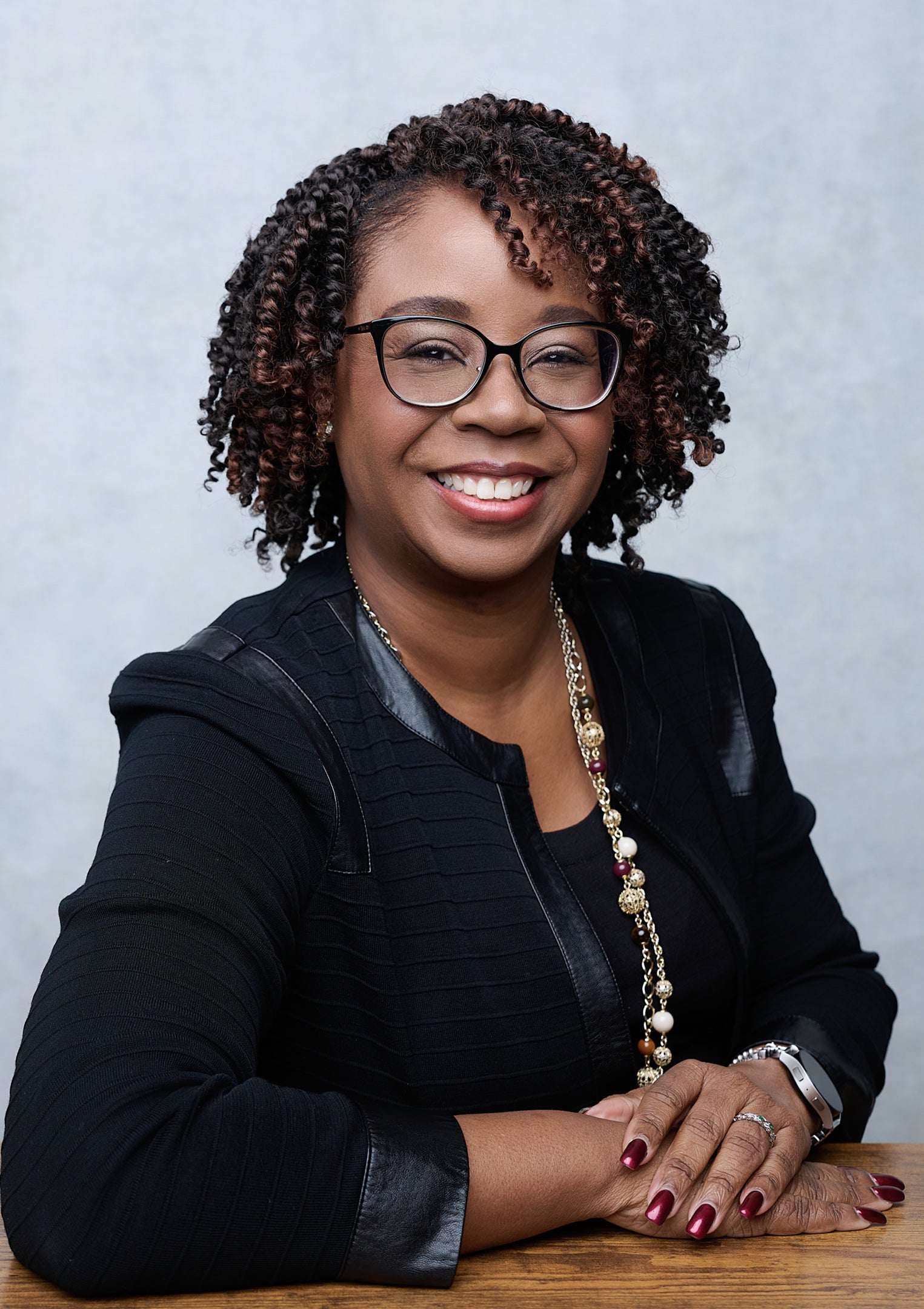
51. Alexia Hudson-Ward
University Librarian and Dean of the Library
2025-present
Photograph by Kevin Thai.
Dr. Hudson-Ward provides leadership for the University’s library system, advancing its teaching, research, and global engagement mission through strategic planning, organizational leadership, fundraising and donor engagement, and stewardship of collections, spaces, and staff. She is leading multi-year, multi-level renovations of Lauinger Library, guiding ethical and scalable approaches to artificial intelligence across the Library as a workplace and pedagogical partner, strengthening the Library’s role in supporting Georgetown’s expanding research enterprise, and positioning the Library as a central academic and cultural infrastructure aligned with our University's Jesuit values.
Prior to joining Georgetown, she served for nearly five years as the Associate Director of Research, Learning, and Strategic Partnerships at the Massachusetts Institute of Technology (MIT) Libraries, where she provided strategic direction for public services and cultivated partnerships across more than 40 MIT departments, labs, centers, and institutes to support innovative educational and research initiatives. She also served as the MIT Libraries’ AI strategy lead.
With a career spanning business, higher education, and the non-profit sectors, Dr. Hudson-Ward’s multidisciplinary experience informs a librarianship philosophy grounded in open access to research, community engagement, inclusive excellence, and enterprise leadership. She earned her PhD in Library and Information Science, specializing in managerial leadership, from Simmons University; holds an MLIS from the University of Pittsburgh; and a BA in English Literature and African American Studies from Temple University.
An engaged and committed volunteer leader, Dr. Hudson-Ward is the incoming President of the Association of College and Research Libraries (ACRL). She serves as a trustee on the boards of the Corning Museum of Glass and The Conversation U.S. Edition and, and is a member of MIT’s Open 2030 Working Group and the University of Pittsburgh School of Computing and Information Alumni Advisory Board. She was also appointed to the National Science Foundation’s Integrative Activities Advisory Committee, where she focused on NSF’s “Public Engagement with Science” initiative.
Before joining MIT, Dr. Hudson-Ward was the second woman and first person of color appointed as the Azariah Smith Root Director of Libraries at Oberlin College. There, she re-envisioned library services and spaces, leading a transformation that resulted in campus-wide accolades, with the Libraries voted the top administrative unit of the College and Conservatory by faculty, students, and staff. Prior to her academic career, she worked in industry as an award-nominated customer marketing manager for The Coca-Cola Company’s Foodservice Division.
Her professional achievements have been recognized with numerous honors, including designation as an American Library Association Emerging Leader, a Library Journal Mover & Shaker, and recipient of the University of Pittsburgh School of Computing and Information’s Outstanding Young Alumni Award. She is an elected member of the American Antiquarian Society in recognition of her contributions to preserving and amplifying African American history from the Early Republic and pre-Civil War eras.
Dr. Hudson-Ward is also an award-winning former journalist, prolific writer, and researcher. She served for three years as the inaugural Editor-in-Chief and co-conceiver of Choice Publishing’s Toward Inclusive Excellence blog, which was nominated for a prestigious international podcasting award in 2023. Her co-edited volume, Cultural Heritage and the Campus Community: Academic Libraries and Museums in Collaboration, is among ALA Editions’ top-selling titles. Her forthcoming book, Social Intelligence in the Age of AI (ALA Editions), examines leadership, ethics, and human-centered practice in an increasingly automated world.
Other Library Leaders
Several key members of the Riggs Library staff between 1937 and 1970, including Joseph E. Jeffs (see entry #47), held the position of Librarian or Associate Librarian. These were trained librarians who operated under a Library Director who was always a Jesuit, but one who lacked academic qualifications in library science. There were also two leaders who led the library on a temporary basis.
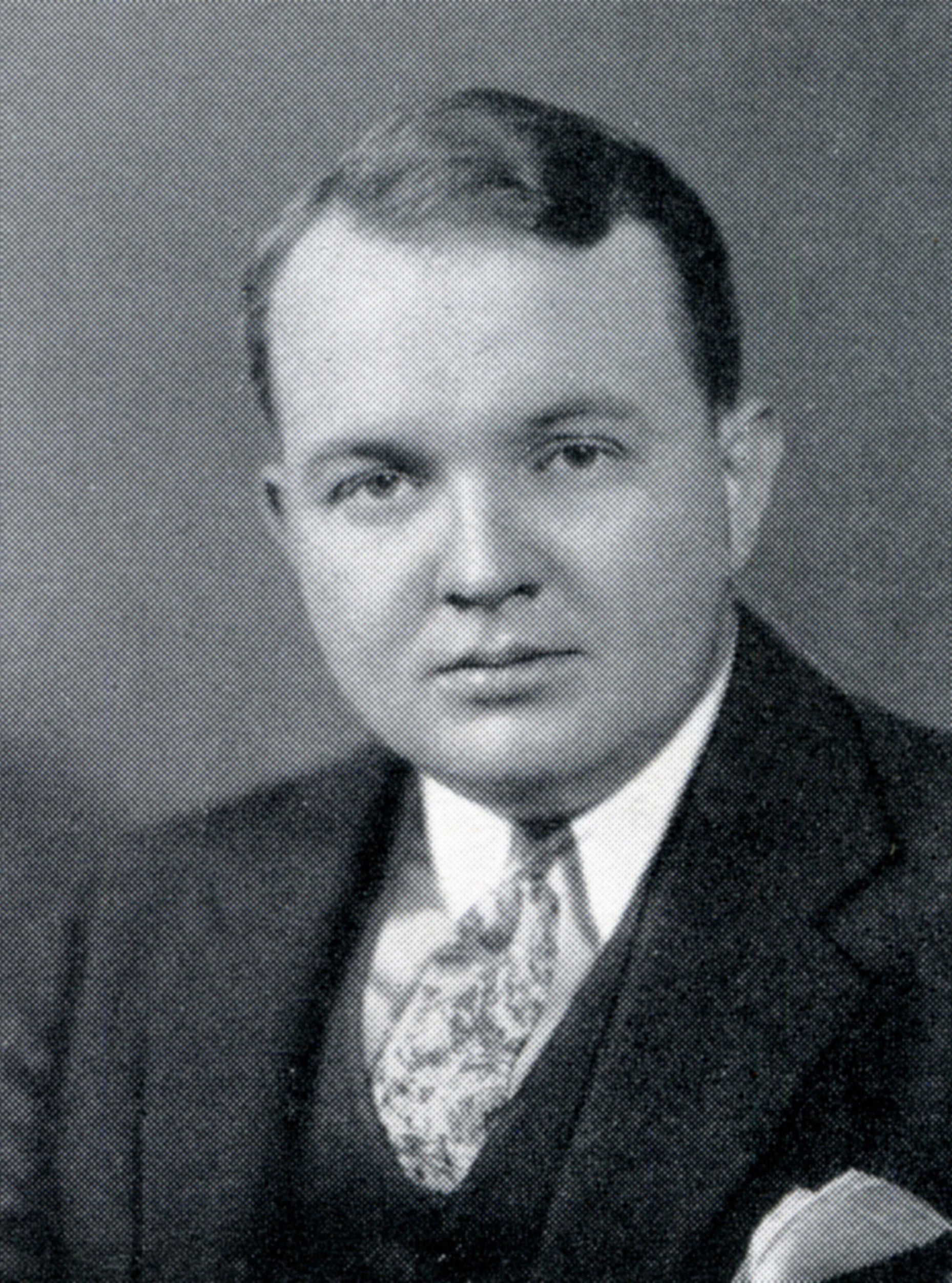
Mark P. Stumpf, L’1937
Acting Librarian of the Riggs Library
1936-1937
Photograph from the Georgetown University Archives Photograph Collection.
Mark Stumpf was born on May 9, 1910, in Dunkirk, New York. He began his education at St. Mary’s Academy in Dunkirk and received his teaching license from the State Teachers College in Fredonia, New York, in 1930. Following a year of teaching at St. Joseph's School in Fort Mitchell, Alabama, he matriculated at Canisius College in Buffalo. Graduating in 1933, he enrolled in Georgetown University’s Law School. In 1936, as a third year Law student, he became Acting Librarian after Father Leo Andries relinquished the position.
He worked as a specialist in wills, trusts and estates with the Manhattan firm of Willkie Farr & Gallagher and its predecessor firms after graduating from Georgetown. He died in New York City on March 19, 1977.
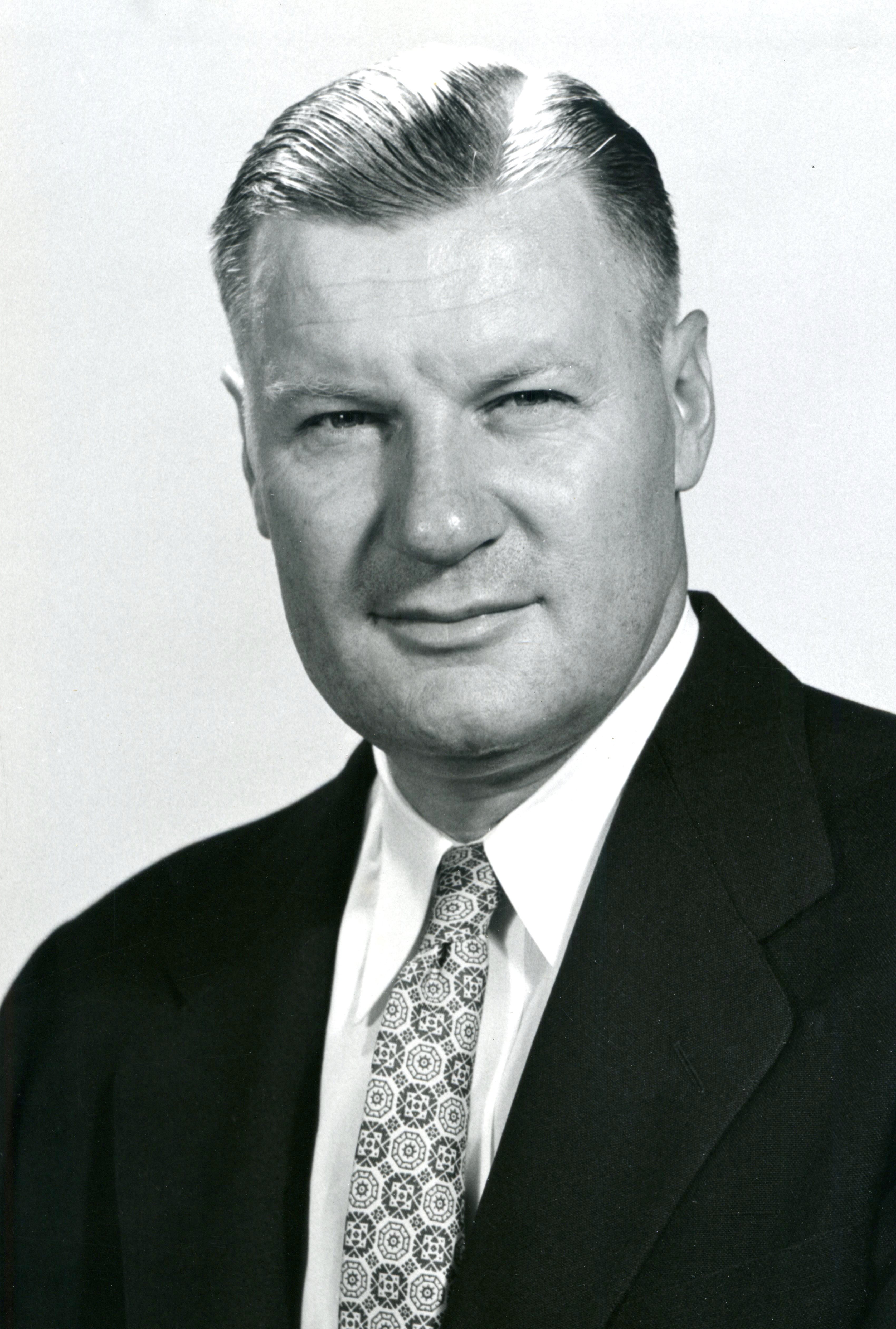
Phillips Temple
Librarian
1937-1954
Photograph from the Georgetown University Archives Photograph Collection.
Phillips Temple was born on October 9, 1906, in Washington, D.C. He was educated at the Boys’ Latin School, at Johns Hopkins University, at Loyola College and at the Library Training School at the Enoch Pratt Free Library, all in Baltimore, Maryland.
Hired as the first professional, trained Librarian for Riggs Library on October 11, 1937, he is credited with reorganizing the collections, improving the catalog and increasing the number of cataloged books. During his tenure, he also unified the previously separate College and Graduate School libraries. He regularly contributed articles about the Library and its services to The Hoya and Georgetown’s Alumni Magazine and served as an announcer for a classical music program on the GBS campus radio station.
Active in the library profession, he became National Chair of the War Activities Committee of the Special Libraries Association in 1942, was a member of the Executive Council of the Catholic Library Association from 1953 to 1958, was a long-time member and chair of the Book Acquisitions Committee of the American Library Association (ALA), and became Chair of the Library Periodicals Exchange Committee of ALA in 1953.
Philips Temple served as Librarian until July 6, 1954, when he was appointed Librarian for Georgetown’s Institute of Languages and Linguistics. He resigned from that position on July 1, 1955, and died on June 1, 1958.
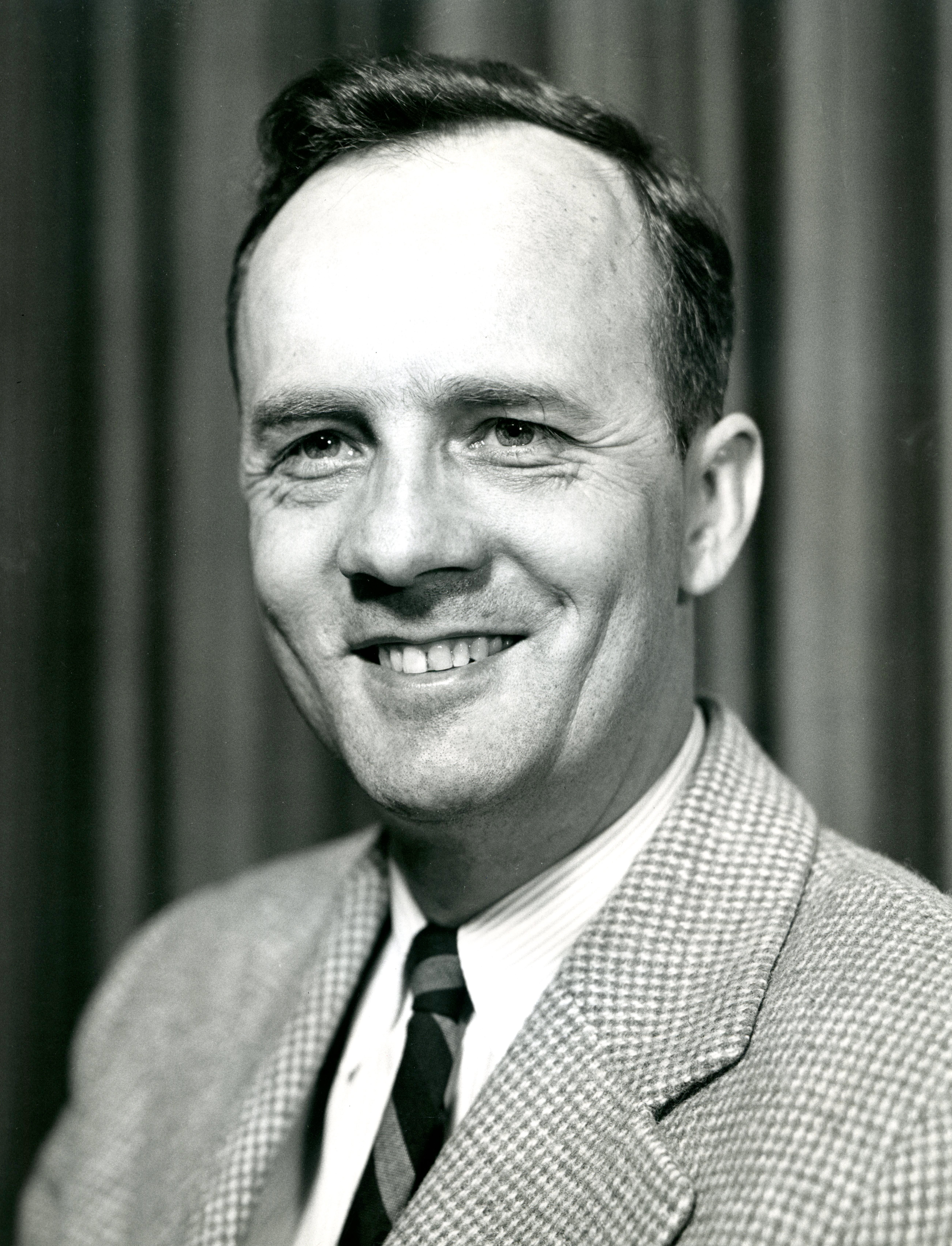
Peter J. Laux
Associate Librarian
1954-1960
Photograph from the Georgetown University Archives Photograph Collection.
Peter Laux, a native of Wisconsin, earned a Bachelor of Science from St. Norbert College, Wisconsin, a Master of Arts from Marquette University, and a Master of Science in Library Science from the University of Wisconsin. He began his library career in 1947 as a student assistant in the St. Norbert College Library and worked at the Milwaukee Public Library before moving to Georgetown.
He was appointed as Library Director at Canisius University in July 1960. His appointment announcement praised him, noting that “as Associate Librarian at Georgetown University in Washington, Mr. Laux has exercised with recognized distinction and proven success a broad range of responsibility in library service and administration.”
He retired from Canisius in June 1985, after 25 years of service. He died on November 13, 2012, at the age of 90.
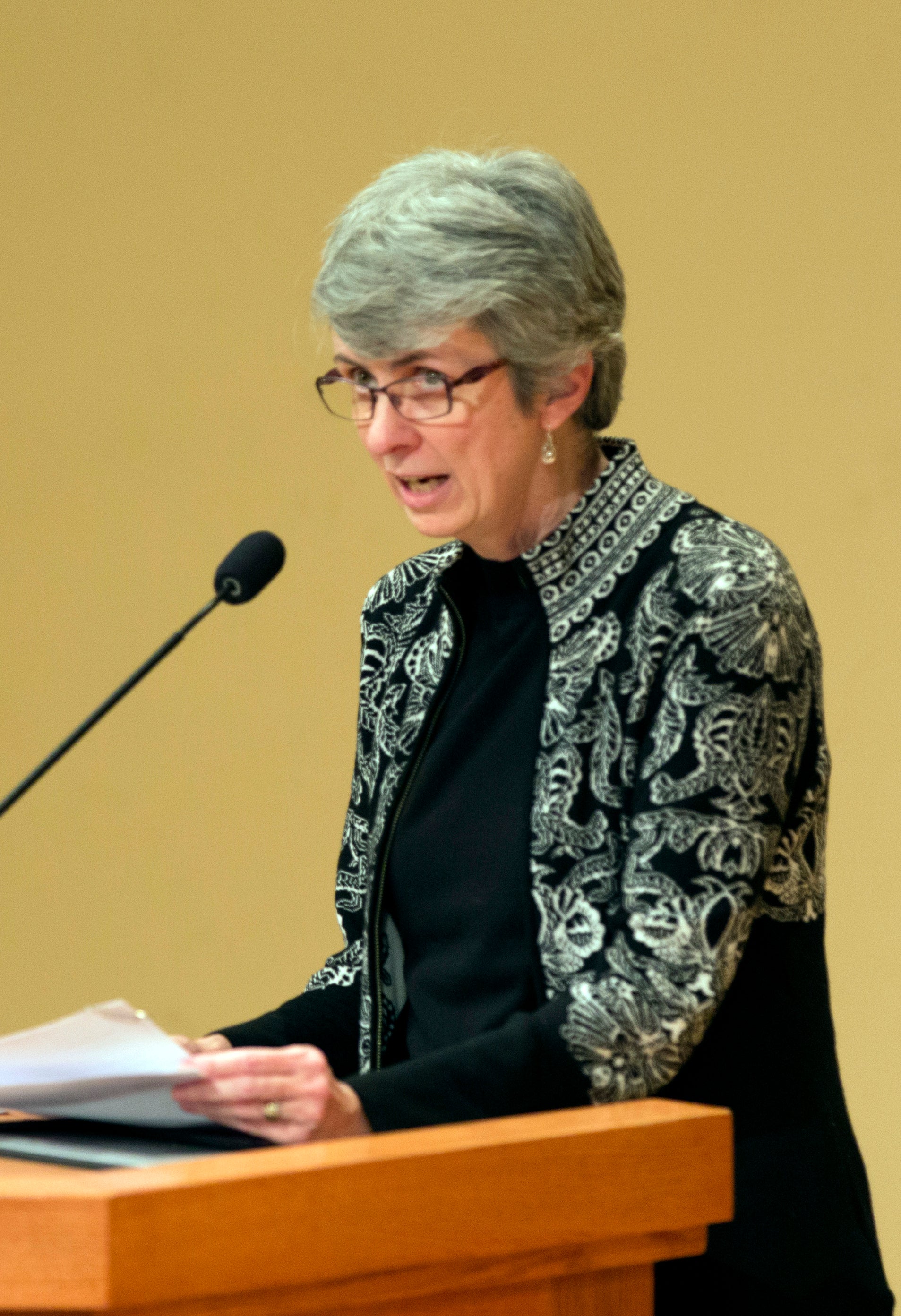
Peggy Fry
Interim University Librarian
2017-2018
Photograph by Mike Matason from the Georgetown University Archives.
A graduate of Loyola University, Maryland and The Catholic University of America Library School, Peggy Fry worked in the Georgetown Law Library from 1990 to 2012. She then moved to the Hilltop Campus as Deputy University Librarian, a position she held until her retirement in 2021. She served as Interim University Librarian in 2017 and 2018, while the University conducted a search for a successor to Artemis Kirk.